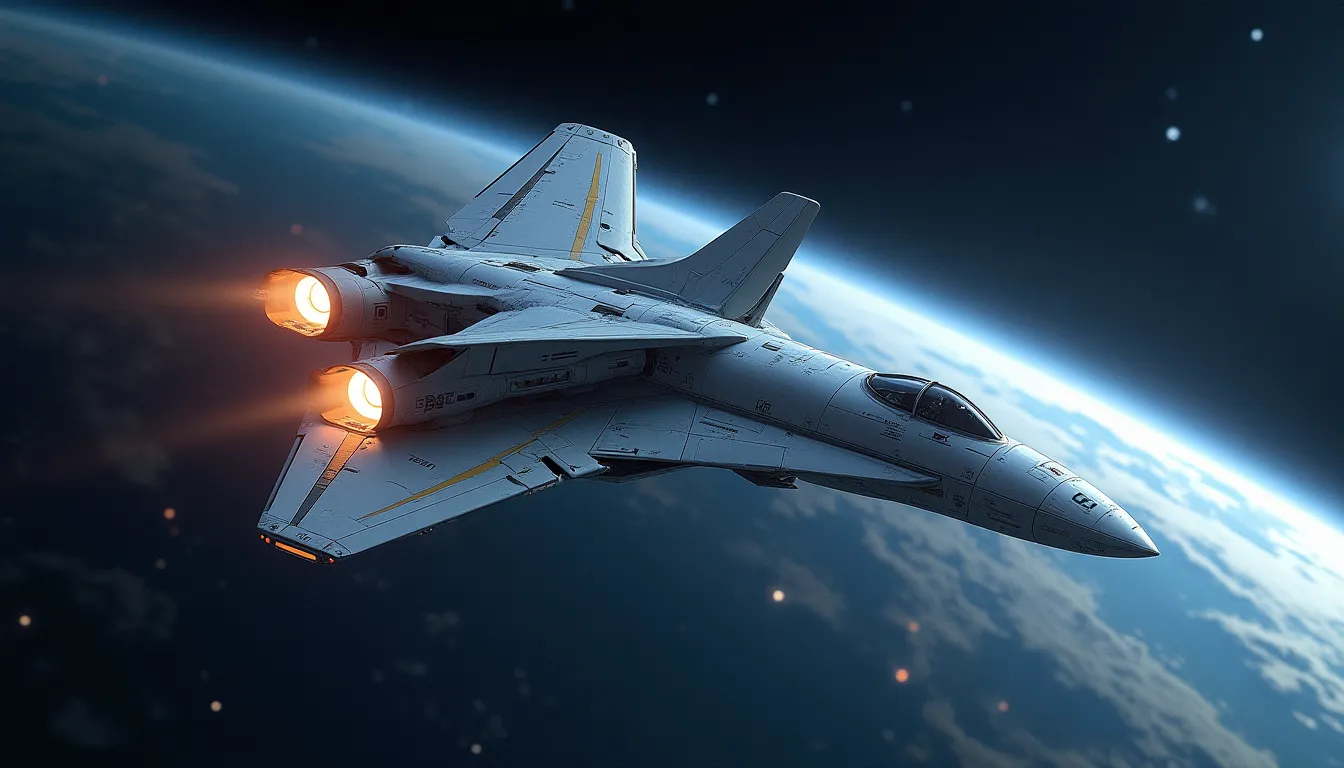
In the rapidly evolving sector of aerospace and defense, recent advancements in spacecraft technology are setting the stage for a new era of space operations. With a focus on modernization, enhanced cybersecurity, and strategic independence, key players in the industry are positioning themselves to navigate the complexities of contested space environments. This article delves into the latest developments shaping the future of spacecraft technology.
GPS Ground Control System Modernization
Lockheed Martin has made headlines by securing a $105 million contract to develop a new ground system aimed at replacing the troubled Operational Control System (OCX) for next-generation GPS satellites. The U.S. Space Force had previously terminated the OCX program due to what it described as “insurmountable challenges”.
The new system, known as the Advanced Extremely High Frequency Processing (AEP) ground system, is designed to support the upcoming GPS IIIF satellites. These satellites will incorporate advanced features to enhance the accuracy and reliability of GPS services, critical for both military and civilian applications. The AEP system is expected to leverage cutting-edge technology, including high-performance MEMS accelerometers, to ensure superior positioning and navigation capabilities.
Space Force Strategic Vision
In a bid to adapt to the increasingly contested nature of space, the Space Force has outlined an ambitious 15-year strategic vision. This initiative emphasizes personnel expansion, development of advanced simulation technologies, and improved survivability measures for space operations.
The growing recognition of potential threats in space necessitates a robust defense posture. The Space Force’s strategy focuses on enhancing the resilience of U.S. space assets, which includes investing in high-precision advanced navigation systems to safeguard against evolving challenges. According to experts, these measures are crucial for maintaining the U.S.’s technological edge in space operations.
Satellite Intelligence and European Independence
In a significant move towards self-sufficiency, ICEYE, a Finnish satellite firm, is positioning itself as a primary provider of defense space intelligence for Europe. The company aims to establish a constellation of satellites capable of delivering real-time intelligence and supporting tactical ground operations independently from U.S. data.
This initiative is indicative of a broader trend in Europe, where nations are increasingly focused on developing indigenous capabilities for satellite reconnaissance and surveillance. The establishment of a robust satellite fleet will not only enhance national security but also foster innovation in satellite technology, potentially leading to the integration of advanced sensor modules that improve data quality and operational flexibility.
Space Sector Growth Drivers
The space industry is experiencing unprecedented growth, driven by multiple factors, including rising satellite demand and increased defense budgets. Rocket Lab CEO Peter Beck has noted that this expansion is also influenced by the anticipated IPO of SpaceX, which could reshape market dynamics. The convergence of these factors is creating new investment opportunities and fostering international collaborations, particularly across Europe.
Emerging technologies such as precision accelerometers and advanced navigation systems are expected to play a pivotal role in this growth, providing the necessary tools for enhanced maneuverability and accuracy in spacecraft operations. Industry experts predict that the increasing reliance on satellite communications and data will further drive the need for innovative solutions in the field.
Cybersecurity and Contested Operations
As space becomes a contested domain, ensuring the cybersecurity of space assets is paramount. The Aerospace Corporation has developed proactive measures to mitigate the risks associated with space cyberattacks. Their approach emphasizes operational flexibility, resilience, and speed, recognizing that traditional defense strategies may not suffice in the face of sophisticated threats.
The incorporation of advanced thermal battery systems and high-precision fiber optic sensing coils into spacecraft design can significantly enhance the resilience of these systems. This ensures that, even in the event of a cyber incident, spacecraft can maintain operational integrity and continue to deliver critical data.
Conclusion
The advancements in spacecraft technology are reshaping the aerospace and defense landscape, providing new capabilities that enhance national security and operational effectiveness. The modernization of GPS systems, the strategic initiatives of the Space Force, and the push for European independence in satellite intelligence are just a few examples of how the industry is adapting to the challenges of the 21st century.
As we look to the future, the integration of innovative technologies and adaptive strategies will be crucial in maintaining a competitive edge in space operations. The continued investment in advanced navigation systems and cybersecurity measures will not only safeguard existing assets but also lay the groundwork for the next generation of spacecraft technology.
References
-
Defense Aerospace News Air Force Aviation - Army Recognition (armyrecognition.com) - 11/19/2025 The U.S. Air Force has flight-tested the AGM-188A “Rusty Dagger” cruise missile from an F-16, marking a key step toward rapidly fielding a low-cost.
-
Breaking Defense - Defense technology, policy and national security … (breakingdefense.com) Space Force kills OCX GPS ground control system, citing ‘insurmountable’ challenges · Latest News · Breaking Defense The Weekly Break Out - Video News Show · Our …
-
Aviation Week & Space Technology (aviationweek.com) - 4/21/2026 Latest Defense Content by Aviation Week & Space Technology. Apr 17, 2026. USAF Begins Tests Of Qatar-Donated ‘Air Force One’.
-
Rocket Lab CEO sees space boom as SpaceX IPO reshapes industry (www.youtube.com) - 4/17/2026 CNBC’s Morgan Brennan reports Peter Beck, Founder and CEO of Rocket Lab, says rising satellite demand, defense … Sa Tech. New. 155K views.
-
Aerospace, Defense and Space Tech - Los Angeles Times (www.latimes.com) - 4/8/2026 Fortastra Expands Leadership Team to Accelerate Space Systems Development · Smack Technologies Secures $32M to Launch Frontier National Security AI Lab · Building …
-
Latest News - The Aerospace Corporation (aerospace.org) - 1/29/2026 The Aerospace Corporation has developed proactive cybersecurity measures to deliver a comprehensive, adaptive defense system against emerging space cyberattacks …
-
Military Space Systems - Defense News (www.defensenews.com) - 11/17/2025 Space Force’s 15-year vision calls for more personnel, simulators and survivability · Starlink outage hit drone tests, exposing Pentagon’s growing reliance on …
-
DefenseScoop | Breaking US Military Tech News, Modern Defense … (defensescoop.com) - 1/19/2023 DOD components face ‘aggressive’ timeline for Maven Smart System transition · Army leans on counter-drone marketplace to help address ‘high security concerns’ …