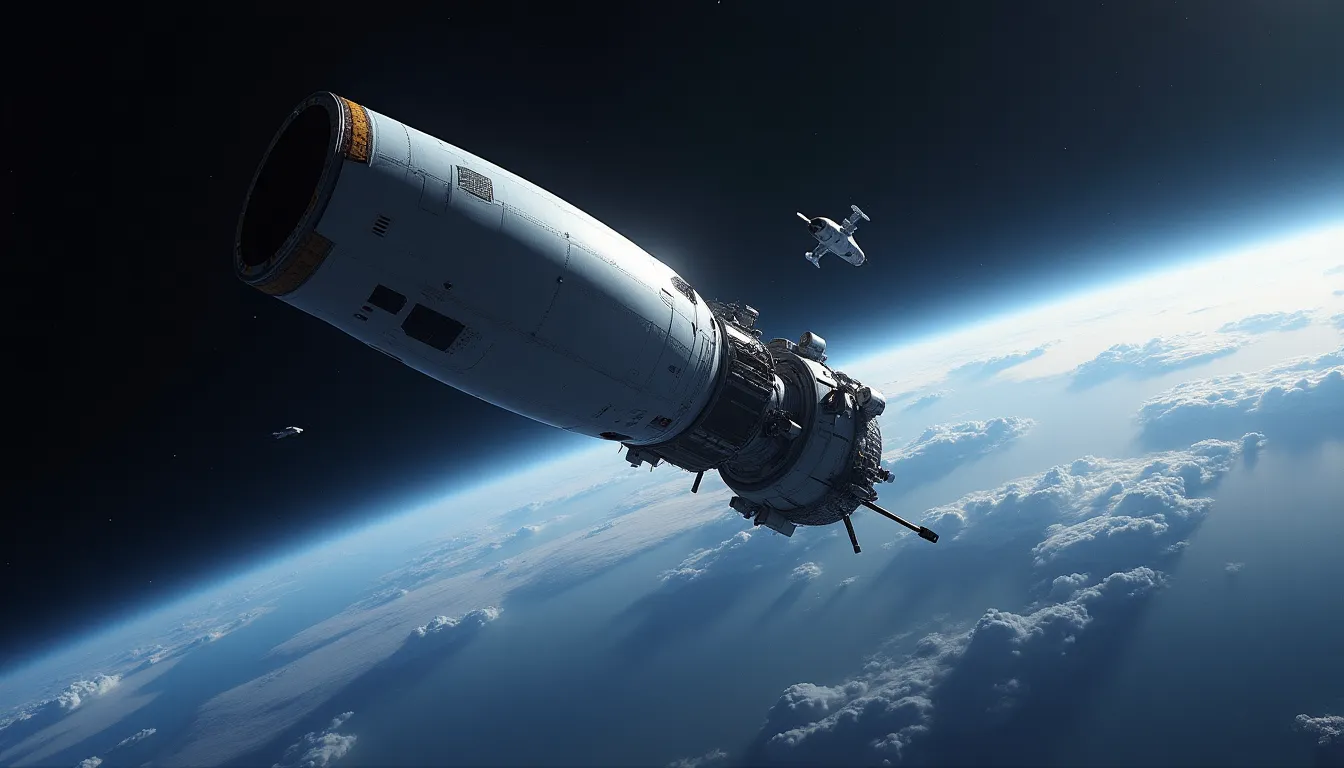
NASA is on the cusp of a new era in space exploration, with the Artemis II mission set to launch on April 1, 2026, at 6:24 p.m. EDT. This mission marks the United States’ first crewed lunar endeavor since Apollo 17 in 1972 and is a critical step in humanity’s quest to return to the Moon and eventually venture to Mars.
Mission Overview
Artemis II will carry a crew of four astronauts on a 10-day voyage around the Moon aboard NASA’s Space Launch System (SLS) rocket and Orion spacecraft. The crew includes Commander Reid Wiseman, Pilot Victor Glover, and Mission Specialist Christina Koch from NASA, alongside Mission Specialist Jeremy Hansen from the Canadian Space Agency (CSA). Their mission is not only to orbit the Moon but also to test the Orion spacecraft’s life support systems for the first time with humans onboard, establishing essential groundwork for upcoming Artemis missions.
The mission was initially slated for March 6, 2026, but was postponed due to a helium system issue detected in the rocket’s Interim Cryogenic Propulsion Stage during a fueling test. NASA’s decision to roll the SLS and Orion back to the Vehicle Assembly Building on February 25, 2026, for necessary repairs underscores the agency’s commitment to ensuring the reliability and safety of its hardware before launch.
Technical Objectives of Artemis II
The primary goal of Artemis II is to test and validate critical technologies and systems necessary for future lunar exploration. This includes:
- Life Support Systems: The mission will evaluate the performance of Orion’s life support systems, critical for sustaining crew members during extended missions.
- Deep Space Navigation: Utilizing advanced navigation systems, including precision accelerometers and inertial measurement units (IMUs), the mission will demonstrate capabilities essential for navigation in deep space.
- Communication Systems: Testing communications between the Orion spacecraft and mission control will ensure robust connectivity for future missions.
These technical objectives are vital for paving the way for Artemis III, the next mission in NASA’s ambitious lunar program, which will include critical tests of commercial lunar landers from companies like SpaceX and Blue Origin.
Broader Changes to the Artemis Program
On February 27, 2026, NASA announced significant changes to the Artemis program that reflect its evolving strategy for lunar exploration. Key updates include:
- Introduction of Artemis III as a Low Earth Orbit Demonstration Mission: Originally planned as a lunar landing mission, Artemis III will now serve as a demonstration mission to validate systems in low Earth orbit, similarly to Apollo 9.
- Lunar Landing Timeline for Artemis IV: This mission is now slated for 2028, marking the first crewed lunar landing in over half a century, further emphasizing NASA’s commitment to returning humans to the lunar surface.
- Increased Mission Cadence: NASA aims to standardize SLS rocket configurations and achieve an ambitious goal of one lunar mission per year following the initial landing.
These adjustments to the Artemis program reflect an operational commitment to enhance system reliability while accelerating the timeline for human exploration of the Moon.
The Importance of Advanced Technologies
The Artemis program’s success relies heavily on cutting-edge technologies, which include:
- Advanced Navigation Systems: The program utilizes high-performance MEMS accelerometers, ensuring superior stability and precision for deep space navigation.
- Thermal Battery Systems for Missile Systems: These extended-duration thermal battery systems are also crucial for space missions, providing reliable power under extreme conditions.
- Advanced Sensor Modules: Incorporating advanced 9-DOF MEMS IMUs, these modules ensure comprehensive motion sensing capabilities, further enhancing navigation and system performance during the mission.
By integrating these advanced technologies, NASA aims to establish a robust infrastructure for future lunar and Martian missions.
Conclusion
The Artemis II mission represents a significant milestone in NASA’s broader efforts to return humans to the Moon and establish a sustainable presence there. With its innovative technologies and strategic program enhancements, NASA is not only preparing to send astronauts back to the lunar surface but also laying the groundwork for future interplanetary exploration. As the countdown to April 1, 2026, begins, the aerospace community and space enthusiasts alike eagerly anticipate the historic moment when humans will once again venture beyond Earth, heralding a new chapter in human spaceflight.
References
- Artemis II Crew Arrives at Launch Site, Shares Moon Mascot (www.nasa.gov) - 3/28/2026 *# Artemis II Crew Arrives at Launch Site, Shares Moon Mascot
From left to right, Artemis II Mission Specialist Jeremy Hansen from CSA (Canadian Space Agency), Mission Specialist Christina Koch, Commander Reid Wiseman, and Pilot Victor Glover, arrive on Friday, March 27, 2026, at the Launch and Land…*
-
NASA days away from Artemis 2 astronaut launch to moon - Space (www.space.com) - 3/28/2026 Saturday, March 28, 2026: See our latest news and updates on NASA’s Artemis 2 moon mission’s progress to launch on April 1.
-
Artemis 2 moon mission latest news: NASA prepares for April 1 launch for lunar astronauts (www.space.com) - 3/27/2026 *NASA is preparing to launch Artemis 2, its first astronaut mission to the moon since 1972, with liftoff set for no earlier than April 1. Liftoff is set for 6:24 p.m. EDT (2224 GMT).
Artemis 2 will launch four astronauts on a 10-day voyage around the moon. Below, you’ll find complete coverage of the…*
- NASA Teams Continue Artemis II Preparations at Launch Pad (www.nasa.gov) - 3/26/2026 *# NASA Teams Continue Artemis II Preparations at Launch Pad
The Sun rises behind NASA’s Artemis II SLS (Space Launch System) rocket and Orion spacecraft at Launch Complex 39B at NASA’s Kennedy Space Center in Florida on Tuesday, March 24, 2026. The Artemis II test flight will take Commander Reid Wi…*
- NASA Sets Coverage for Artemis II Moon Mission (www.nasa.gov) - 3/26/2026 *div
Artemis II crew members CSA (Canadian Space Agency) astronaut Jeremy Hansen, and NASA astronauts Christina Koch, Victor Glover, and Reid Wiseman walk out of the astronaut crew quarters inside the Neil Armstrong Operations and Checkout Building to the Artemis crew transportation vehicles prior t…*
-
NASA Sets Coverage for First Artemis Crewed Mission Around Moon (www.nasa.gov) - 3/26/2026
-
Artemis II: NASA’s First Crewed Lunar Flyby in 50 Years (www.nasa.gov) - 3/26/2026 Meet the Artemis II crew and learn how NASA’s 10-day lunar flyby mission will test deep space systems and pave the way for future Moon landings.
-
NASA shuffles Artemis missions, rethinks rocket hardware - Axios (www.axios.com) - 3/16/2026 Why it matters: NASA is pushing the moon landing back and rethinking Space Launch System rocket hardware for future missions.
-
NASA Strengthens Artemis: Adds Mission, Refines Overall Architecture (www.nasa.gov) - 3/3/2026 1, 2026. The Artemis II test flight will take Commander Reid Wiseman, Pilot Victor Glover, and Mission Specialist Christina Koch from NASA, and …
-
NASA Adds Mission to Artemis Lunar Program, Updates Architecture (www.nasa.gov) - 3/3/2026 This new mission will endeavor to include a rendezvous and docking with one or both commercial landers from SpaceX and Blue Origin, in-space …