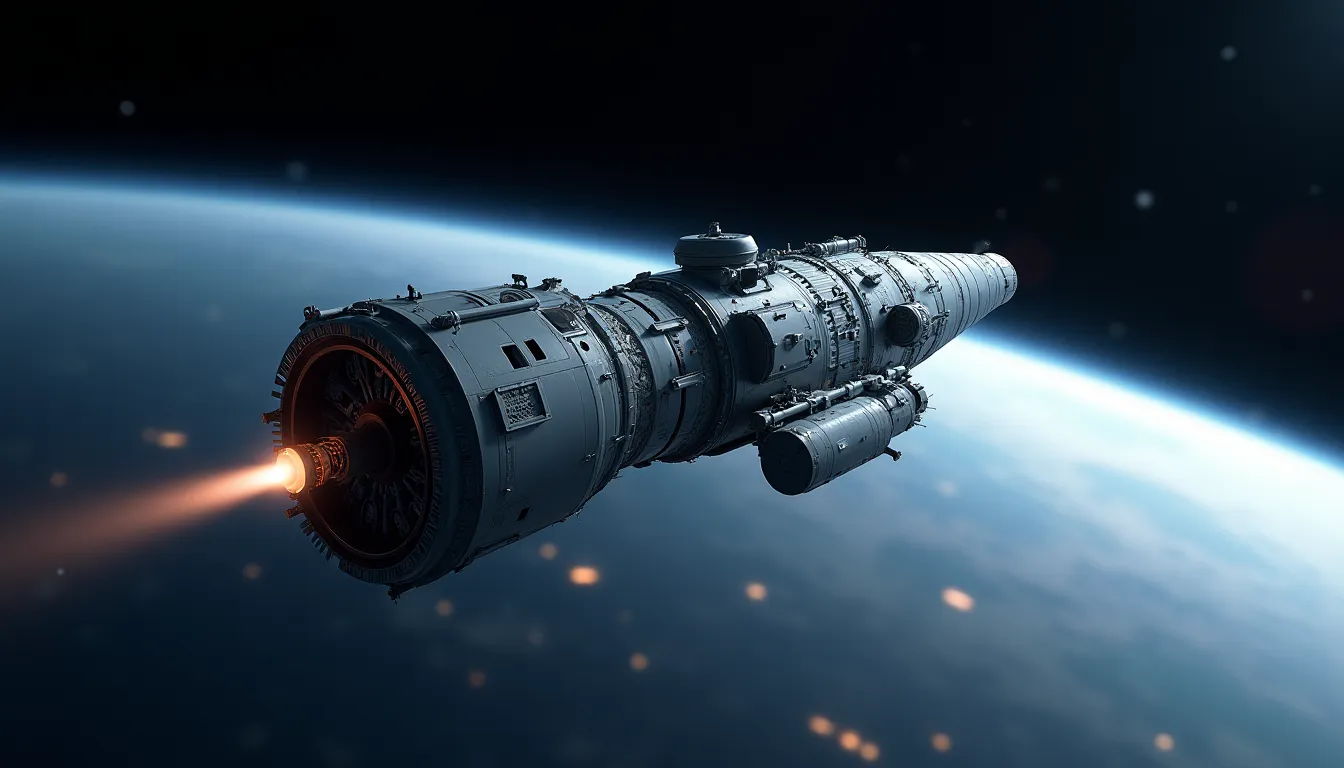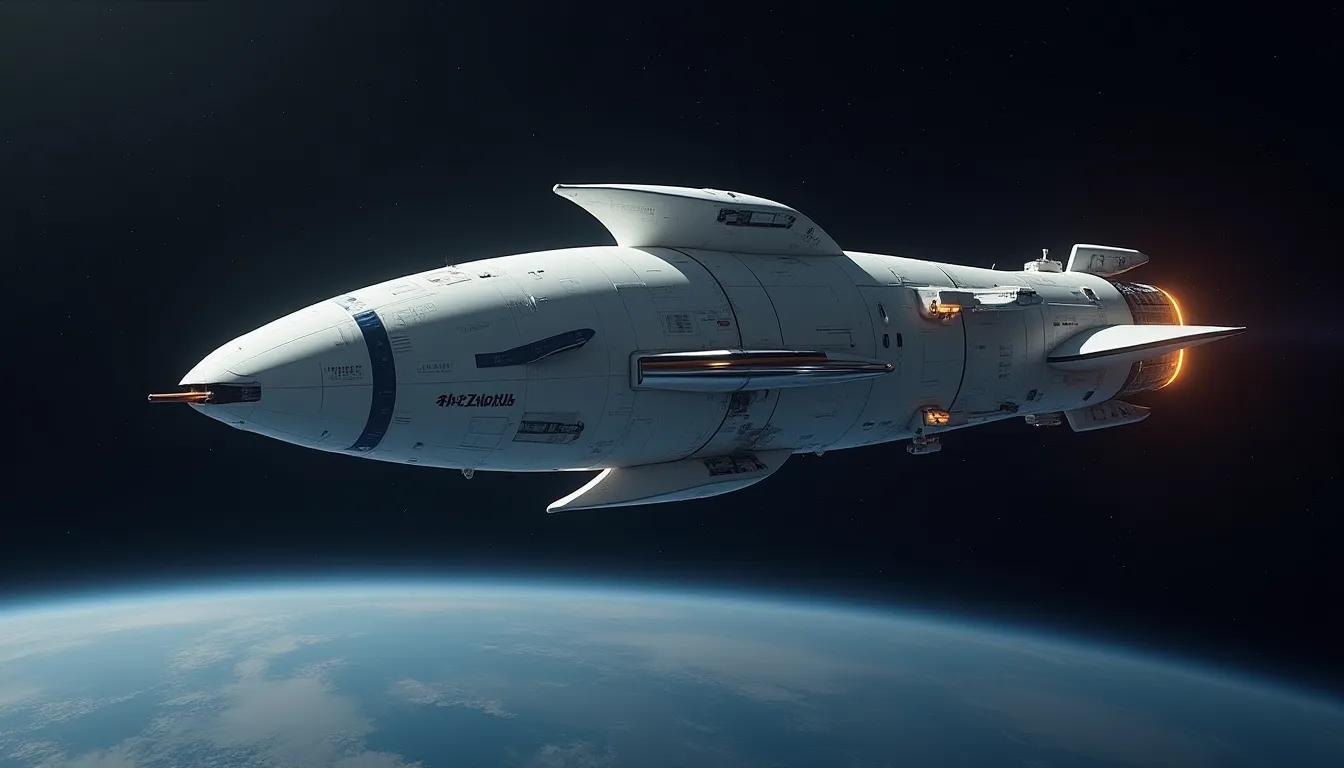
NASA’s Artemis II mission, which marks the first crewed flight of the Space Launch System (SLS) and Orion spacecraft, has been postponed to March 2026 due to technical challenges encountered during pre-launch testing. This delay underscores the complexities of modern space exploration, particularly as NASA aims to return humans to the Moon and establish a sustainable presence there.
Artemis II Mission: Technical Challenges
Originally targeted for an April 2026 launch, Artemis II will now kick off a new era in lunar exploration. The mission encountered significant hurdles during a critical wet dress rehearsal on February 2, 2026. This rehearsal, designed to test the full fueling of the SLS, was aborted due to a persistent hydrogen leak that emerged during the terminal countdown. Complicating matters further, cold weather conditions delayed essential equipment preparations, prompting engineers to reassess the data before conducting another rehearsal.
The crew for Artemis II includes experienced astronauts Reid Wiseman, Victor Glover, Christina Koch from NASA, and Jeremy Hansen from the Canadian Space Agency (CSA). Their mission will focus on testing life support systems, navigation, communications, propulsion, and deep-space operational capabilities—all without conducting a lunar landing. This mission follows the uncrewed Artemis I mission, which successfully demonstrated the capabilities of the SLS and Orion spacecraft in late 2022.
Rollback Event and Future Preparations
On February 25, 2026, the SLS and Orion were rolled back to the Vehicle Assembly Building (VAB) due to a helium flow issue in the Interim Cryogenic Propulsion Stage (ICPS). This rollback was a crucial step to address the technical issues and ensure that all systems are functioning correctly ahead of the crewed mission.
Accelerated Timelines and Program Changes
On February 27, 2026, NASA conducted a press conference announcing significant updates to the Artemis program. Key participants included NASA Administrator Jared Isaacman and Associate Administrator Amit Kshatriya. The agency confirmed the delay of Artemis II and introduced aggressive changes aimed at expediting lunar exploration efforts.
Among the changes announced are the cancellation of planned upgrades for the SLS Block 1B and Block 2 configurations, which were expected to cost billions. Instead, NASA will focus on a standardized SLS design that could enable launches every 10 months. This decision aims to streamline operations and reduce costs, ensuring that Artemis can maintain its schedule for lunar exploration.
Furthermore, NASA hinted at the possibility of two lunar landings in 2028, although this ambitious timeline may face challenges as the agency navigates budget constraints and technical hurdles. The Lunar Gateway station’s future also remains uncertain, as it is a critical part of NASA’s long-term lunar and Mars exploration strategy.
Ongoing Spacecraft Activities
In addition to the Artemis II updates, other significant developments in the aerospace sector include the impending departure of JAXA’s HTV-X1 cargo spacecraft from the International Space Station (ISS). Scheduled for March 6, 2026, HTV-X1 successfully delivered approximately 12,000 pounds of supplies to NASA and JAXA partners.
Additionally, SpaceX has continued its support of ISS operations, recently launching the Crew-12 mission from Cape Canaveral Space Force Station. This mission is part of SpaceX’s ongoing efforts to facilitate crewed and resupply missions to the ISS, demonstrating the increasing role of commercial partners in space exploration.
The Future of Spacecraft Technology
As the Artemis program faces these challenges, advancements in spacecraft technology are critical. Technologies such as the ZQXXSGDSS System, featuring high-performance single-tube PIN quadrant detectors, are essential for precise tracking and positioning in space missions. Moreover, advanced navigation systems leveraging MEMS accelerometers offer improved stability and precision for spacecraft operations, making them indispensable for upcoming missions.
In this context, the integration of advanced sensor modules, like the 9-DOF MEMS IMU, enhances motion sensing capabilities, ensuring that spacecraft can navigate and operate efficiently in the harsh environment of space. Furthermore, the JDWDG070 System, with its high-performance analog MEMS accelerometers, can provide the reliability needed for precision measurements in demanding aerospace applications.
Conclusion
NASA’s Artemis II mission, while facing delays, reflects the organization’s commitment to lunar exploration and the eventual goal of Mars colonization. The ongoing technical challenges serve as a reminder of the complexities involved in modern space travel. As NASA adapts its timelines and strategies, the advancements in spacecraft technologies will play a pivotal role in ensuring the success of future missions. With a renewed focus on streamlined operations and innovative solutions, the Artemis program is poised to redefine humanity’s presence beyond Earth in the coming years.
References
-
Artemis II: NASA’s First Crewed Lunar Flyby in 50 Years (www.nasa.gov) - 3/3/2026 The Artemis II test flight will be NASA’s first mission with crew aboard the SLS (Space Launch System) rocket and Orion spacecraft.
-
NASA drops HUGE news about Artemis moon plan! Update in … (www.youtube.com) - 2/28/2026 Update in February, 2026. 72K views · 4 days ago …more. Digital … NASA Found Brilliant Solution to Launch Moon Spacecraft Every 10 Months: Not …
-
Artemis Update (Feb. 27, 2026) - YouTube (www.youtube.com) - 2/27/2026 Following the rollback of the Artemis II SLS (Space Launch System) rocket and Orion spacecraft on Wednesday, Feb. 25, experts will discuss …
-
NASA lost a lunar spacecraft one day after launch. A new report … (www.wuft.org) - 2/26/2026 On February 26, 2025, a NASA probe called Lunar Trailblazer lifted off from Kennedy Space Center in Florida. Its mission was to map the …
-
NASA’s Artemis II Mission Now Targeting March 2026 Launch After … (www.discovermagazine.com) - 2/3/2026 NASA’s Artemis II mission, the first to carry astronauts in the Artemis program, is now targeting a March 2026 launch opportunity after …
-
2026 NASA News Releases (www.nasa.gov) - 1/2/2026 Four crew members of NASA’s SpaceX Crew-12 mission launched at 5:15 a.m. EST Friday from Space Launch Complex 40 at Cape Canaveral Space Force Station in …