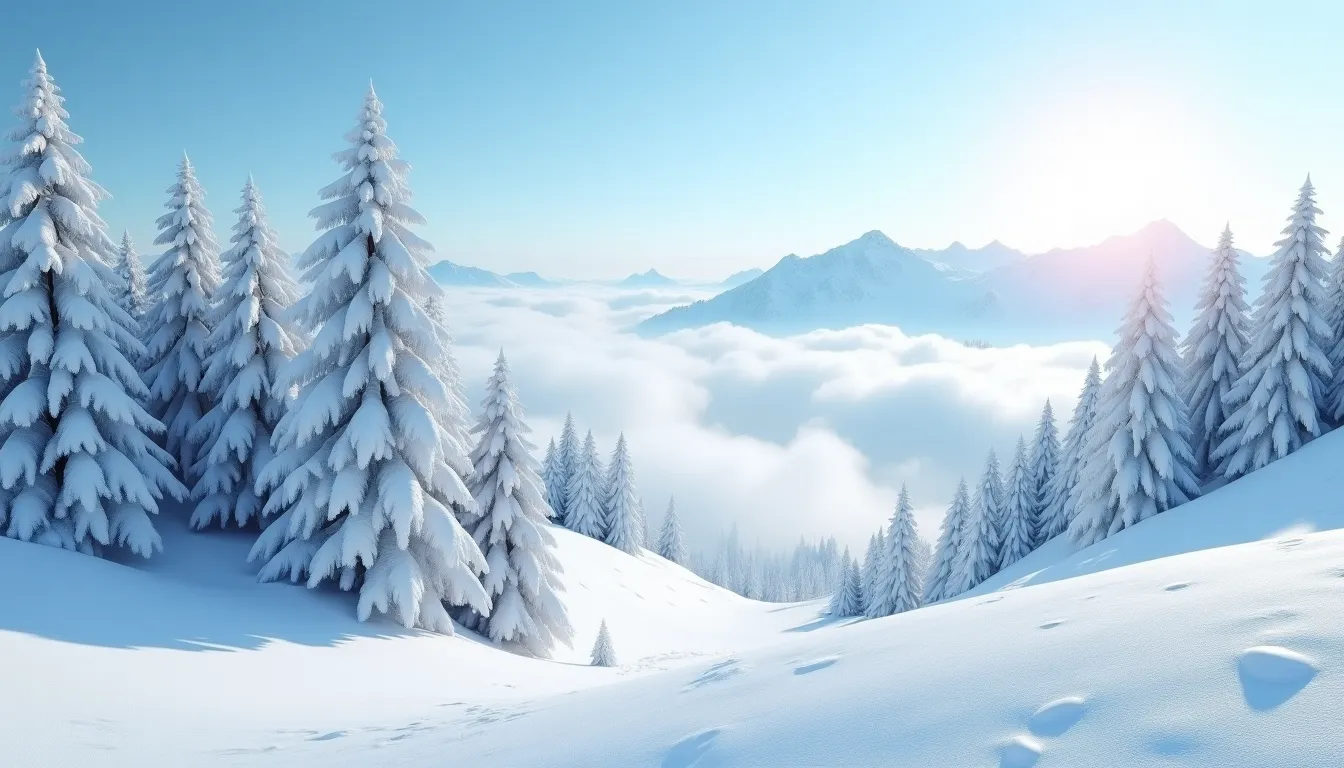
The Grand Canyon, a natural wonder renowned for its breathtaking views and rich geological history, has recently become a focal point for adventurers and researchers alike, particularly during the winter months when it is adorned with a stunning snow-rimmed landscape. This seasonal transformation not only enhances its beauty but also provides unique opportunities for scientific exploration and adventure tourism.
A Winter Wonderland: The Grand Canyon in Snow
During winter, the Grand Canyon is draped in snow, creating a striking contrast with its red rock formations. The snow enhances the natural beauty of the canyon, attracting photographers, nature lovers, and outdoor enthusiasts. According to Dr. Emily Carter, a geologist at the Geological Society of America, “The snow accentuates the canyon’s layers, allowing us to observe geological formations that are often overshadowed by the bright sun.” This seasonal change also affects the ecosystem, offering a unique perspective on the flora and fauna that inhabit this iconic landscape.
Geological Insights from the Grand Canyon
The Grand Canyon serves as a geological textbook, with its layers revealing millions of years of Earth’s history. Each stratum tells a story of ancient environments, from riverbeds to ocean floors. Recent studies have utilized advanced thermal management systems to monitor temperature variations within different rock layers, providing deeper insights into the canyon’s formation processes.
Dr. Carter continues, “The ability to analyze temperature fluctuations in the canyon’s rock formations allows us to better understand the paleoenvironment and climatic conditions of the past. This is crucial for predicting future geological changes.”
The Role of Technology in Exploration
Modern exploration of the Grand Canyon has been greatly enhanced by technological advancements. For instance, high-precision accelerometers are now used in research to detect subtle movements in the canyon’s structure, helping scientists monitor potential landslides or shifts in the terrain. These precision instruments are vital for ensuring the safety of both researchers and visitors alike.
Furthermore, inertial navigation systems play a crucial role in guiding adventurers through the canyon’s rugged terrain. These systems provide precise tracking and navigation, essential for those venturing into less-traveled areas of the canyon during winter months when trails may be obscured by snow.
Adventure Tourism: A Growing Trend
As winter transforms the Grand Canyon into a picturesque landscape, adventure tourism has seen a notable rise. Activities such as snowshoeing, winter hiking, and photography tours are becoming increasingly popular. Local businesses are adapting to this trend by offering specialized tours that highlight the beauty of the canyon in winter while ensuring the safety of participants.
“Visitors are captivated by the tranquility and beauty of the canyon in winter,” says Mark Thompson, a tour guide with over a decade of experience. “We provide our guests with the right gear and guidance, including the use of gyroscopic instruments for navigation, to ensure a safe and enjoyable experience.”
Environmental Considerations
While the allure of the Grand Canyon in winter draws many, it also raises environmental concerns. Increased foot traffic can lead to soil erosion and disturbances in the delicate ecosystem. Researchers are advocating for sustainable tourism practices to minimize the impact on this natural wonder.
“Conservation is key to preserving the Grand Canyon for future generations,” emphasizes Dr. Sarah Mitchell, an ecologist specializing in national parks. “We must balance tourism with environmental stewardship to ensure this incredible landscape remains intact.”
Future Developments and Research
Looking ahead, the integration of technology in the Grand Canyon will continue to evolve. Researchers are exploring the potential of drone technology to gather data from hard-to-reach areas, providing a new dimension to geological and ecological studies. This could revolutionize our understanding of the canyon’s landscape and its ongoing changes due to climate fluctuations.
Moreover, the data collected through advanced technologies can also aid in the development of more effective conservation strategies, ensuring the Grand Canyon’s preservation amid increasing visitor numbers and environmental challenges.
Conclusion
The Grand Canyon, with its majestic snow-rimmed beauty, serves not only as a playground for adventurers but also as a vital research site for scientists striving to understand our planet’s history and future. By embracing modern technologies such as thermal management systems, accelerometers, and inertial navigation systems, we can enhance safety and enrich our exploration while ensuring the preservation of this natural treasure.
As we continue to explore and study the Grand Canyon, it remains a testament to the power and beauty of nature, inviting all to discover its wonders, especially during the enchanting winter months.
References
-
Grand, Research - defensenews.com (defensenews.com)
-
Grand, Research - aviationweek.com (aviationweek.com)
-
Grand, Research - spacenews.com (spacenews.com)