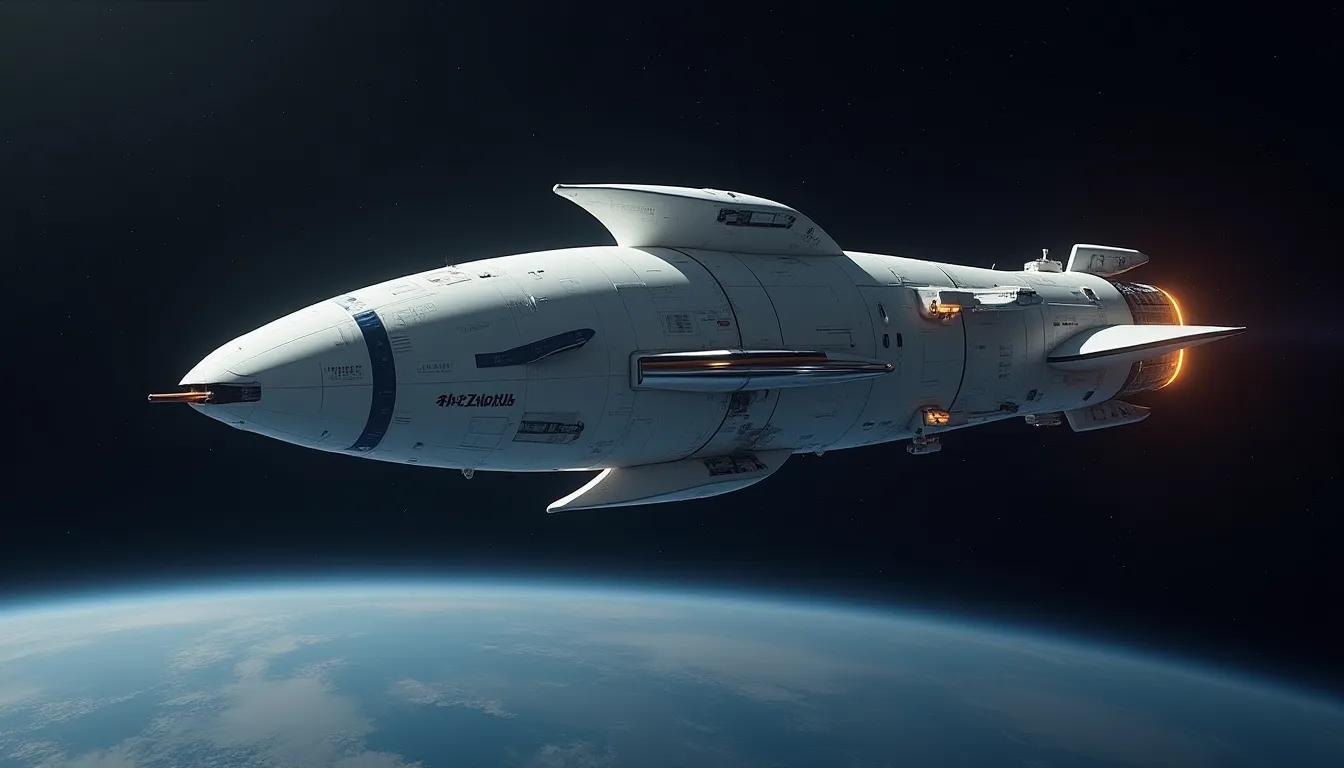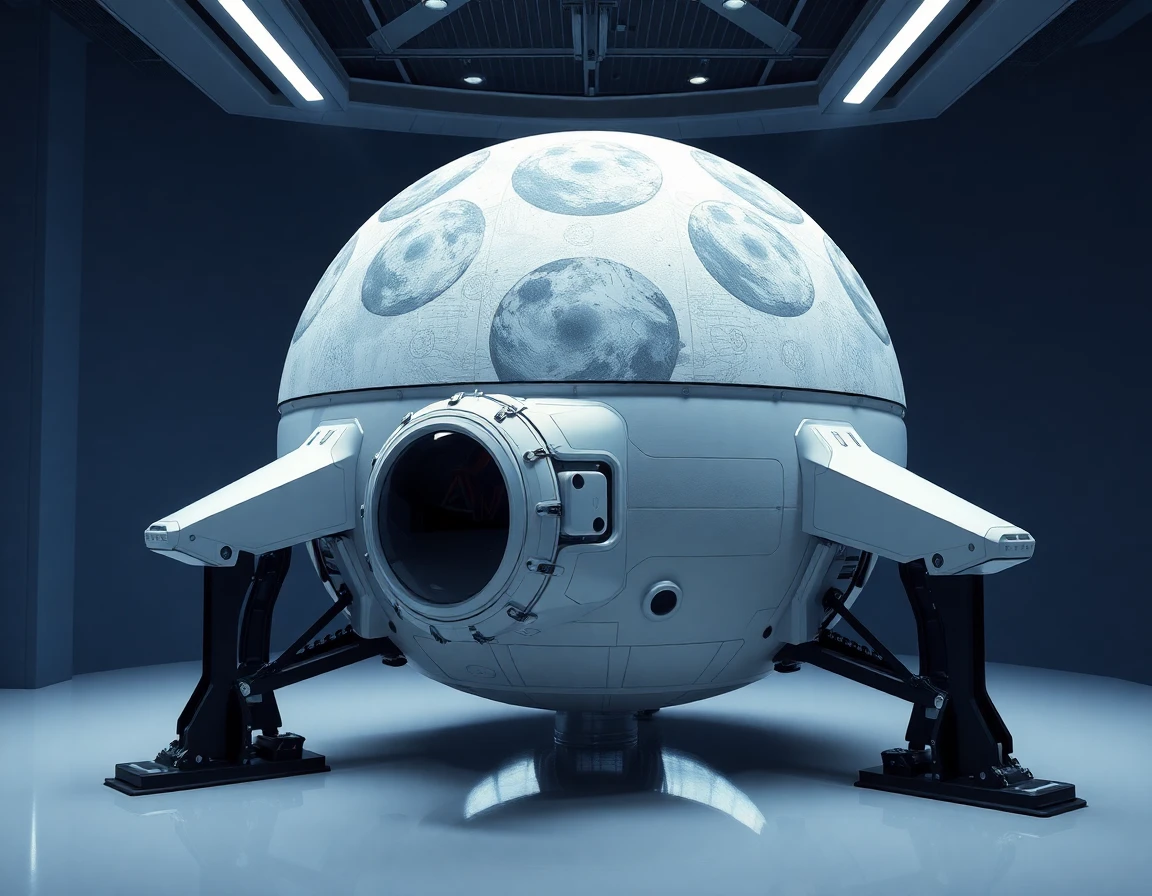
As we step into 2026, the realm of space exploration stands on the brink of transformative advancements. With NASA’s Artemis II mission preparing for launch, a slew of commercial lunar initiatives, and the emergence of new space stations, this year is set to redefine our exploration of the cosmos. Here’s a closer look at the most significant developments shaping the future of space travel.
Major Lunar and Deep Space Missions
Artemis II Rollout and Launch Preparation
NASA’s Artemis II mission is gearing up for a historic moment as it prepares to launch the Space Launch System (SLS) rocket and Orion spacecraft from Kennedy Space Center. Scheduled for January 17, 2026, this uncrewed test flight marks a crucial step towards human lunar exploration, aimed at laying the groundwork for future missions to Mars. The Artemis program embodies NASA’s vision to establish a sustainable human presence on the Moon by the end of the decade.
The Artemis II mission will demonstrate critical systems and capabilities that will be vital for crewed flights. The SLS rocket, equipped with advanced navigation systems and high-performance MEMS accelerometers, is designed to deliver Orion to lunar orbit efficiently, paving the way for Artemis III, which aims to land astronauts on the Moon.
Advancements in Commercial Lunar Landers
The commercial space sector is witnessing remarkable progress in lunar exploration. Notable missions slated for 2026 include:
- Blue Origin’s Blue Moon Mark 1, set to launch in Q1 2026 as an uncrewed pathfinder mission, will test its BE-7 engine and mission-critical systems aboard a New Glenn rocket.
- Firefly Aerospace’s Blue Ghost Mission 2 is scheduled for November 2026, carrying NASA’s Lunar Surface Electromagnetic Experiment at Night (LuSEE-Night) to establish the first operational radio telescope on the Moon.
- Astrobotic Technology plans to launch its Griffin-1 lander in July 2026, focusing on delivering significant payloads to the lunar surface.
- China’s Chang’e-7 mission aims to explore the lunar south pole, targeting an August 2026 launch.
These missions reflect a growing interest in lunar resources and scientific research, further solidifying the Moon as a stepping stone for deeper space exploration.
Commercial Space Station Development
Vast’s Haven-1 Progress
In a significant leap for commercial space endeavors, Vast has advanced its Haven-1 commercial space station into the integration phase. As the world’s first standalone crewed space station, Haven-1 aims to facilitate diverse research and manufacturing opportunities in low Earth orbit. Set to launch in Q1 2027, following delays from an initial target of May 2026, Haven-1 will be launched aboard a SpaceX Falcon 9 from Cape Canaveral, Florida.
The integration process includes the installation of critical systems such as micrometeoroid and orbital debris shielding, solar array integration, and environmental testing at NASA’s Neil Armstrong Test Facility. This pioneering initiative lays the groundwork for Haven-2, Vast’s proposed successor to the International Space Station, which aims to enhance long-term human presence in space.
Advanced Rocket Development and Competition
The Rise of New Launch Vehicles
SpaceX’s preeminence in the launch industry faces growing competition as several new rockets prepare for their first orbital flights in 2026. Notable contenders include:
- Rocket Lab’s Neutron, designed for larger payloads and reusable operations.
- Astra’s Rocket 4 and Relativity Space’s Terran R, both entering the market with innovative designs aimed at cost-effective space access.
- The Eclipse rocket, co-developed by Firefly Aerospace and Northrop Grumman, is also on the launch slate.
- Stoke Space’s Nova is expected to enhance operational flexibility with its fully reusable design.
Additionally, Russia’s Soyuz-5 rocket is projected to make its debut in 2026, pending further testing.
SpaceX’s Starship Development
SpaceX continues to build multiple launch sites and production facilities for its Starship Block 4 operations. In an ambitious undertaking, the company plans to conduct flight tests focusing on in-orbit refueling capabilities, an essential step towards enabling deep space missions. Elon Musk has indicated a 50/50 chance that Starship could attempt a Mars mission as early as 2026, marking a significant milestone in human exploration of the Red Planet.
Space Science and Telescope Missions
The SMILE Mission
The joint Solar Wind Magnetosphere Ionosphere Link Explorer (SMILE) mission, a collaboration between the European Space Agency (ESA) and the Chinese Academy of Sciences, is set to launch on April 8, 2026. This innovative mission will utilize soft X-ray and ultraviolet light observations to study the interactions between Earth’s magnetosphere and solar wind, providing insights into space weather phenomena.
Additional Space Telescopes
In addition to SMILE, NASA and ESA are gearing up to launch three additional space-based telescopes in 2026. These missions will complement ongoing data releases from high-profile observatories like the James Webb Space Telescope and the Euclid mission, enhancing our understanding of the universe and its myriad complexities.
On-Orbit Servicing and Space Logistics
The Emergence of Satellite Disposal Services
In a pioneering move, the Space Development Agency awarded a $52.5 million contract to Starfish Space for satellite disposal services, marking the first contract in this burgeoning market. This initiative aligns with the Space Force’s interest in developing on-orbit servicing capabilities, including robotic repair systems and fuel depot satellites that will extend the operational life of existing spacecraft.
Orbit Fab’s Refueling Demonstration
Further advancing on-orbit logistics, Orbit Fab is set to conduct its first in-orbit refueling demonstration in 2026, showcasing the potential for fuel supply chains in space, essential for long-duration missions.
Conclusion
The developments in spacecraft technology and missions slated for 2026 underscore a pivotal year for the aerospace industry. With advancements from NASA’s Artemis program to the emergence of commercial lunar landers and innovative space stations, the future of space exploration appears brighter than ever. As these missions unfold, they will not only deepen our understanding of the cosmos but also pave the way for sustainable human presence beyond Earth. The next few years promise to reshape our approach to space travel and exploration in unprecedented ways.
References
-
SDA Awards First Contract to Take Old Satellites out of Orbit (www.airandspaceforces.com) - 1/22/2026 The Space Development Agency has awarded a $52.5 million contract to Starfish Space for satellite disposal as a service.
-
Space Science in 2026: New lunar explorers, Mars missions, and … (www.nasaspaceflight.com) - 1/19/2026 Launching on Jan. 15, Firefly Aerospace’s Blue Ghost lander and ispace’s Hakuto-R Mission 2 lander Resilience started their missions.
-
What’s Happening in Space Policy January 18-24, 2026 (spacepolicyonline.com) - 1/19/2026 Here is SpacePolicyOnline.com’s list of space policy events for the week of January 18-24, 2026 and any insight we can offer about them.
-
Space Brief 19 Jan 2026 - KeepTrack (keeptrack.space) - 1/19/2026 Today’s brief examines key developments in satellite launches, space debris management, propulsion technology, and notable military space …
-
NASA’s Artemis II Rollout and Mission Overview News … - YouTube (www.youtube.com) - 1/17/2026 NASA’s Artemis II Rollout and Mission Overview News Conference (Jan. 16, 2026) … Project Gemini: The World’s Most Dangerous Space Program.
-
January 2026 - Space Age Chronicle (spaceagechronicle.com) - 1/15/2026 As 2026 dawned, NASA also stands at the cusp of a new era of exploration as the agency prepares to renew human exploration of the Moon. Like …
-
2026 NASA News Releases (www.nasa.gov) - 1/14/2026 7, 2026, the spacewalk planned for Jan. 8, 2026, is postponed. NASA astronauts will conduct two spacewalks Thursday, Jan. 8, and Thursday, Jan.
-
What to Expect in 2026 - Payload Space (payloadspace.com) - 1/5/2026 This month, SpaceX plans to launch its first Twilight rideshare mission, bringing payloads to the dawn-dusk orbit. As for Starship, 2026 stands …
-
Vast Advances Haven‑1 Into Integration Phase — an update by VAST (www.vastspace.com) - 12/18/2025 Vast shares a progress update on Haven-1, the world’s first commercial space station and a step towards ensuring a continuous human presence …