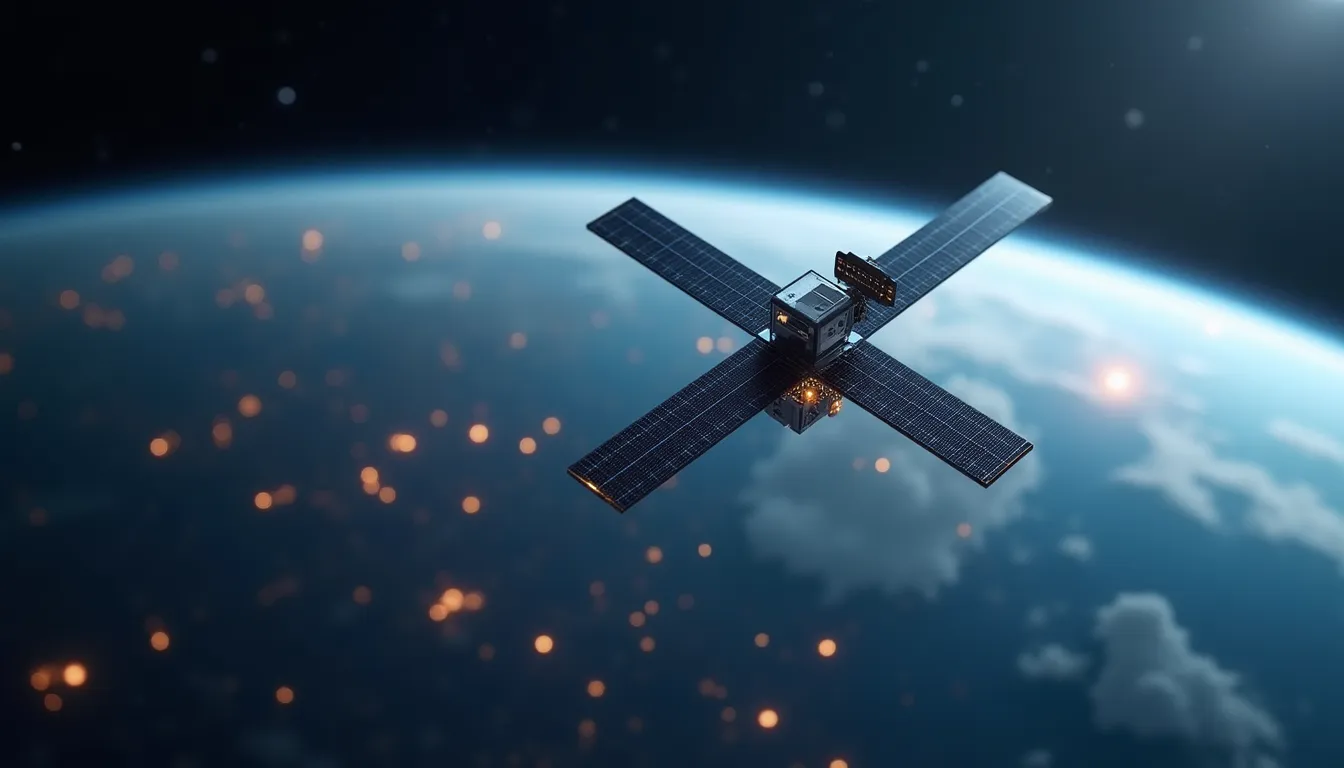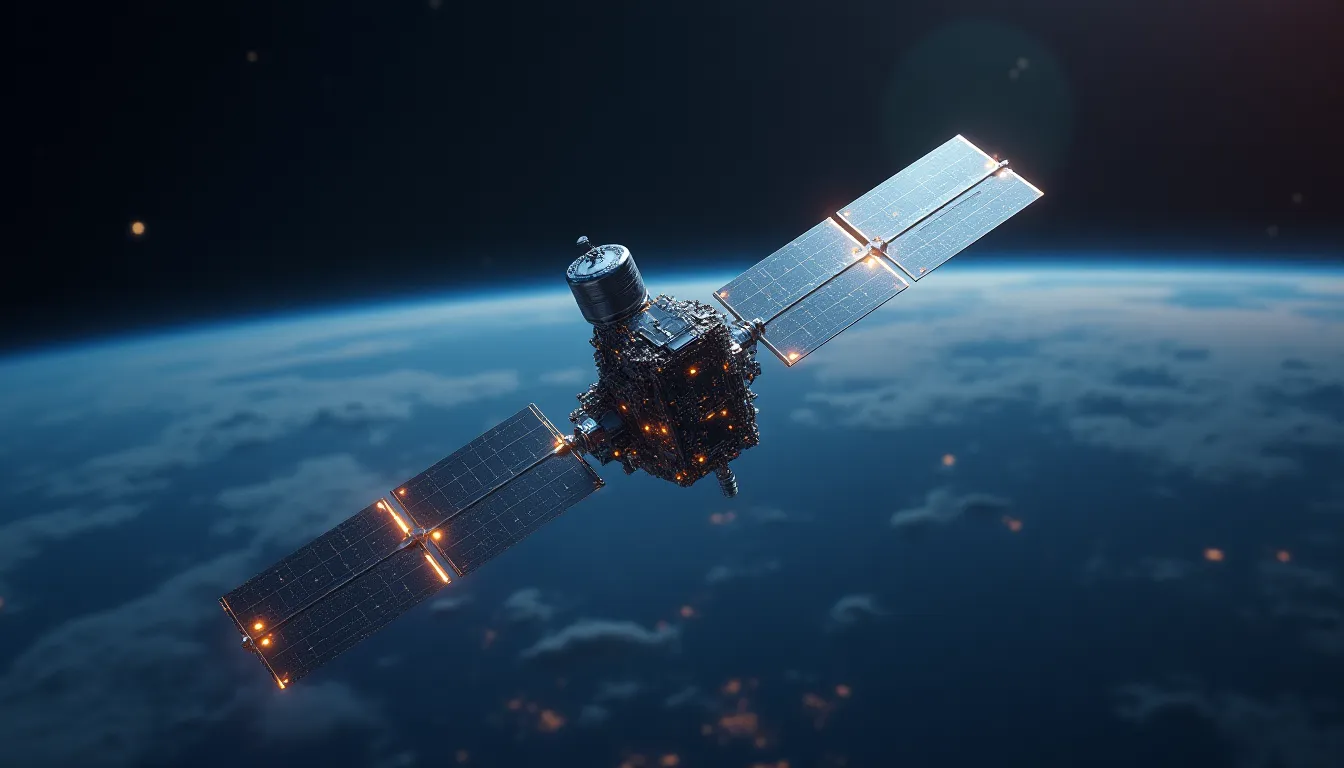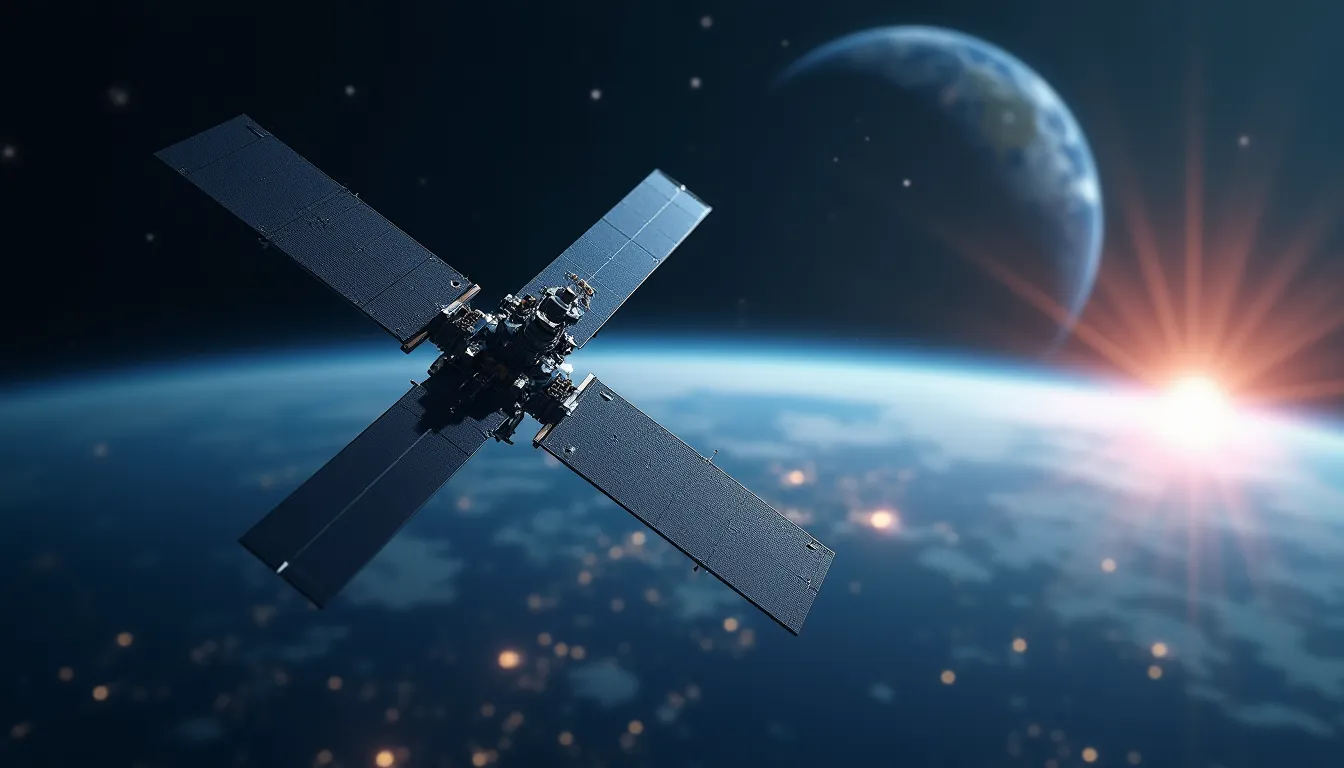
Recent advancements in the aerospace and defense sectors have underscored the critical role of satellites in modern society. As we move into 2026, significant developments such as the rise of satellite megaconstellations, enhanced satellite autonomy, and the integration of nuclear power are shaping the landscape of space technology. This article delves into these key trends and their implications for astronomy, defense, and sustainable space operations.
The Impact of Satellite Megaconstellations on Astronomy
A recent study published in December 2025 highlights the profound challenges posed by the proliferation of satellite megaconstellations, particularly SpaceX’s ambitious Starlink project, which aims to deploy approximately 34,000 satellites. These commercial satellite swarms are projected to severely interfere with astronomical observations. According to simulations, up to 96% of images from low-Earth orbit telescopes—including NASA’s Hubble, the upcoming SPHEREx mission, and Europe’s ARRAKIHS—could be contaminated by satellite trails, with individual images containing as many as 92 streaks. This interference raises serious concerns about the future of space-based astronomy, prompting astronomers to advocate for solutions that mitigate the impact of these satellite networks on celestial imaging.
Advances in Satellite Autonomy for Defense and Infrastructure
In December 2025, Shield AI announced a groundbreaking partnership with Sedaro to enhance satellite operations through advanced autonomy. Their collaboration leverages Shield AI’s Hivemind Pilot autonomy software to demonstrate resilient, edge-based operations in orbit. This innovative approach aims to improve the operational efficiency of satellites that support critical infrastructure and national defense capabilities. By utilizing Sedaro’s high-fidelity simulation platform, the alliance seeks to accelerate the design and validation of autonomous behaviors for orbital missions, paving the way for multi-agent cognitive teaming in space applications.
Integrating Nuclear Reactor Technology in Space Missions
The integration of advanced nuclear microreactors into space missions marks a significant leap forward in satellite technology. Recent agreements, including a collaboration between Space Ocean Corporation and Space Nuclear Power Corporation (SpaceNukes), aim to test a 10-kilowatt microreactor aboard the ALV-N satellite. This initiative is designed to support future lunar and planetary missions, emphasizing the need for efficient energy solutions in space. Additionally, Framatome and the Italian Agency for New Technologies, Energy, and Sustainable Development have signed a memorandum of understanding to explore the application of nuclear reactors for lunar settlements, focusing on materials that can withstand extreme conditions and the additive manufacturing of reactor components.
Successful Launch of British-Designed Satellites
In December 2025, a cluster of British-designed satellites was successfully launched into low Earth orbit, marking a significant achievement for the UK aerospace sector. These satellites are poised to enhance capabilities in defense and security applications, contributing to the global satellite infrastructure. This success underscores the increasing importance of national contributions to space technology and the collaborative efforts among nations in advancing satellite capabilities.
Addressing the Growing Challenge of Space Debris
As the number of satellites in orbit continues to rise, so does the issue of space debris. Broken satellites, defunct rocket parts, and other debris pose a significant threat to ongoing space operations. Scientists and researchers are actively exploring solutions for debris mitigation, focusing on sustainable practices to ensure the longevity and safety of space activities. Effective management of orbital debris is critical for maintaining a reliable and safe environment for both current and future missions.
NASA’s Robotic Arm Mission: A Step Towards In-Space Infrastructure
NASA is preparing to operate a commercial robotic arm in low Earth orbit as part of the Fly Foundational Robots mission. This initiative aims to demonstrate the capabilities of robotic systems in satellite servicing and assembly, which are essential for bolstering in-space infrastructure. By collaborating with industry partners, NASA seeks to advance robotic technologies that could revolutionize how satellites are maintained and operated in the future, reducing reliance on costly manned missions.
Conclusion
The landscape of satellite technology is undergoing rapid transformation, driven by advancements in autonomy, energy solutions, and infrastructure development. While satellite megaconstellations present new challenges for astronomy and orbital sustainability, initiatives in autonomous operations and nuclear integration highlight the potential for innovative solutions. As we venture further into the 21st century, the aerospace and defense industries must navigate these complexities while fostering a collaborative approach to ensure the sustainable use of space. The future of satellite technology holds promising advancements, but it will require careful consideration of both its benefits and its challenges as we strive for a balanced approach in our exploration of the cosmos.
References
-
Satellite swarms set to photobomb more than 95% of some telescopes’ images (www.nature.com) - 12/3/2025 news; article. NEWS; 03 December 2025. Satellite swarms set to photobomb more than 95% of some telescopes’ images. Planned megaconstellations …
-
Shield AI Targets Space Domain with Sedaro Deal (www.satellitetoday.com) - 12/3/2025 *# Latest News
Shield AI Targets Space Domain with Sedaro Deal
Sedaro has inked a deal to use Shield AI’s Hivemind Pilot as its preferred autonomy software for on-orbit demonstrations. Intriguingly, the partnership marks Shield AI’s deliberate expansion into the space domain. It aims to b…*
-
British designed satellites successfully launched in space (www.baesystems.com) - 12/3/2025 A cluster of British designed and built satellites has been successfully launched into low Earth orbit, providing defence, security and …
-
Space is filling with junk and scientists have a fix (www.sciencedaily.com) - 12/3/2025 Date: December 3, 2025; Source: Cell Press; Summary: Earth’s orbit is getting crowded with broken satellites and leftover rocket parts.
-
NASA’s Fly Foundational Robots Demo to Bolster In-Space Infrastructure (www.nasa.gov) - 12/3/2025 NASA and industry partners will fly and operate a commercial robotic arm in low Earth orbit through the Fly Foundational Robots mission set …
-
Industry Update—December 2025 — ANS / Nuclear Newswire (www.ans.org) - 12/2/2025 Here is a recap of recent industry happenings: ADVANCED REACTOR MARKETPLACE. Agreement signed on advanced nuclear technology in space.
-
Fujitsu develops new technology to support human–robot collaboration (global.fujitsu) - 12/2/2025 Fujitsu today announced the development of a new technology to make collaboration between robots and humans easier, safer and more efficient.