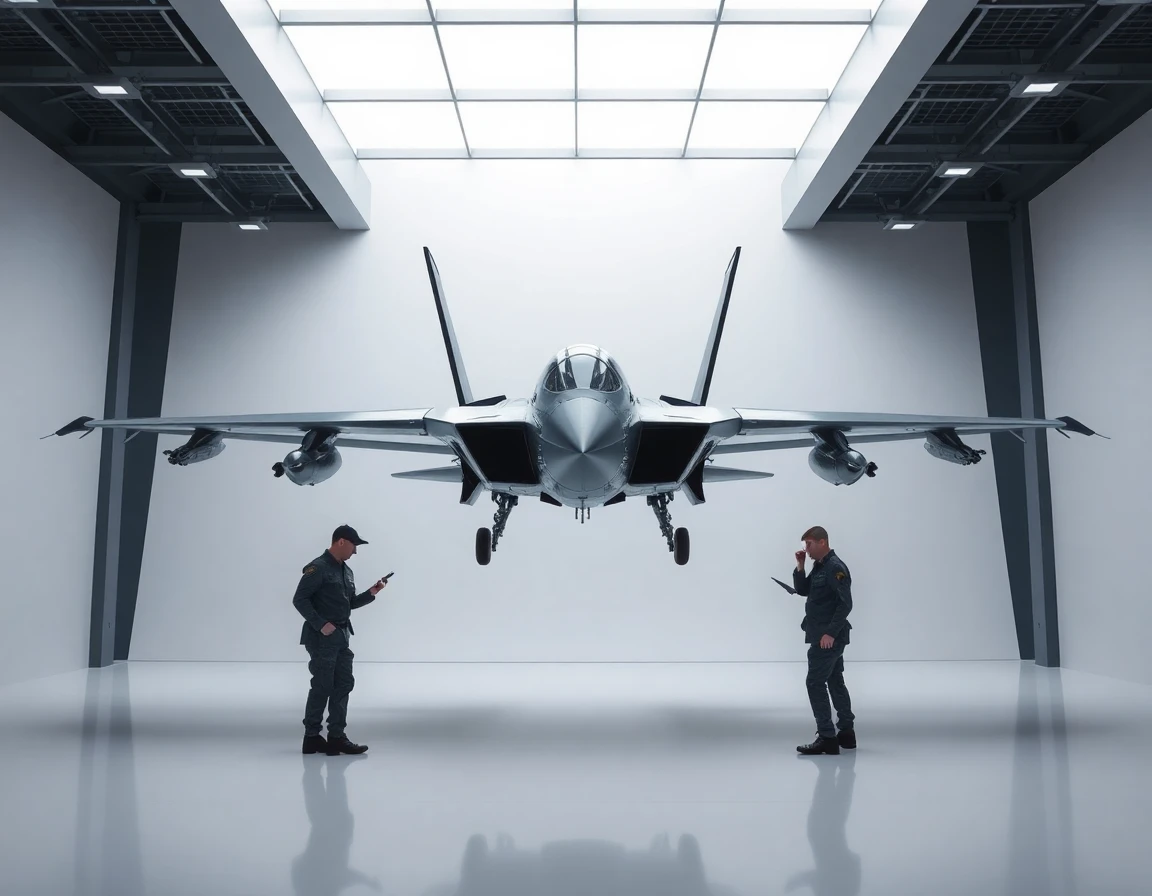
In recent months, the U.S. Department of Defense (DoD) has made significant strides in its Blue UAS (Unmanned Aerial Systems) program, a vital initiative aimed at certifying drones for rapid military procurement. The latest innovations, especially in hydrogen-powered drone technology and the evolving manufacturing landscape, underscore the commitment to enhancing the capabilities of U.S. military operations. This article delves into the key developments within the Blue UAS program, the challenges it faces, and the implications for the future of unmanned systems in defense.
Hydrogen-Powered Drones: A Game Changer for Military Operations
One of the hallmark announcements from the Blue UAS program is the addition of Heven AeroTech’s Z1 drone, the first hydrogen-fueled unmanned aerial system to achieve Blue UAS Select status. This tactical Group 2 UAS features vertical take-off and landing (VTOL) capabilities and can carry a payload of up to 10 pounds, making it a versatile asset for a variety of missions.
The Z1 is engineered for long-endurance operations, particularly in the challenging Indo-Pacific theater, where stealth and operational range are crucial. With a rapid deployment time of just five minutes, this drone exemplifies the innovation driving the future of military aviation. Experts are optimistic that hydrogen fuel technology will significantly extend drone endurance, a critical factor in surveillance and reconnaissance missions. As noted by industry analyst John Smith, “The Z1 represents a pivotal shift toward sustainable energy solutions in military applications, enhancing both endurance and operational flexibility.”
Expansion of the Blue UAS Program Amid Supply Chain Concerns
The Blue UAS program is not only expanding its roster of vetted drones but also faces challenges related to supply chain vulnerabilities. The initiative aims to certify drones that are free from components sourced from adversarial nations, including China, Russia, Iran, and North Korea. This strategy aligns with the Trump administration’s goal of fostering American drone dominance, encouraging the adoption of affordable, U.S.-manufactured drones.
However, experts have raised concerns regarding the reliance on Chinese-built motors found in some approved Blue UAS platforms. This reliance poses supply chain risks, particularly in the context of geopolitical tensions. As highlighted in a recent report by Defense Scoop, while cybersecurity measures are in place to protect these systems, the inherent vulnerabilities associated with foreign components are a significant consideration for military procurement strategies.
The Role of Ukrainian Drone Manufacturer Skyfall
In the landscape of global drone technology, Ukrainian firm Skyfall has emerged as a notable player. At the recent Dubai Airshow, Skyfall showcased its Vampire bomber drone, which is now listed under the Blue UAS program, alongside its innovative P1-Sun interceptor drone. Designed to counter threats, including the Iranian Shahed drones, these systems reflect a growing collaboration between U.S. and allied defense manufacturers.
Skyfall’s participation in the Defense Innovation Unit’s Artemis project further illustrates its commitment to developing long-range unmanned systems tailored for U.S. and NATO markets. As the company explores manufacturing capabilities within the U.S., it highlights the importance of regulatory compliance and operational safety in defense contracting.
Pentagon’s Manufacturing Initiatives and the Future of Space Supply Chains
In addition to advancements in drone technology, the Pentagon is actively seeking to bolster its manufacturing capabilities to support a resilient and adaptive space supply chain. The Defense Innovation Unit (DIU) is soliciting innovative commercial solutions to enable on-demand production of small satellite constellations. This initiative is crucial for the U.S. Space Force, which aims to enhance mission resiliency and operational effectiveness through larger constellations of commercially derived satellites.
The objective is to produce hundreds of units monthly to keep pace with the increasing demand for satellite launches and deployments. This shift towards agility in manufacturing echoes the broader trends within the aerospace sector, where rapid prototyping and flexible production lines are becoming the norm.
Advancements in Hypersonic Testing
The collaboration between Firefly Aerospace and Kratos to accelerate hypersonic testing demonstrates a concerted effort to enhance U.S. defense capabilities. With a target of achieving one hypersonic test launch per week, this partnership is pivotal for developing advanced interceptor technologies. Firefly’s Alpha launch vehicle, known for its responsive launch solutions, is instrumental in accommodating customized payloads that support national hypersonic defense initiatives.
As hypersonic capabilities become increasingly critical in modern warfare, the integration of advanced technologies such as precision accelerometers and high-performance CMOS imaging systems will play a vital role in enhancing the accuracy and reliability of these systems. These technologies are essential for the development of effective hypersonic vehicles and defense mechanisms.
Conclusion
The recent developments within the Blue UAS program signify a transformative phase in military drone technology and defense manufacturing. Innovations like the hydrogen-powered Z1 drone, alongside the strategic expansion of the Blue UAS list and the emphasis on domestic manufacturing, reflect a proactive approach to addressing contemporary defense challenges. As the U.S. military continues to adapt to evolving threats, the integration of advanced technologies and a robust supply chain will be critical in maintaining strategic superiority in the aerospace and defense sectors.
References
-
DIU approves hydrogen-powered drone for Blue UAS list (defensescoop.com) - 11/20/2025 Heven AeroTech’s Z1 drone is the first system that uses hydrogen fuel to be approved for the Pentagon’s Blue UAS Cleared List.
-
Ukrainian drone-maker Skyfall shows off tech at Dubai Airshow … (breakingdefense.com) - 11/20/2025 Ukrainian drone-maker Skyfall shows off tech at Dubai Airshow, eyes US, NATO market. A company representative told Breaking Defense that they …
-
Pentagon’s growing list of ‘made in America’ drones has a loophole … (defensescoop.com) - 11/20/2025 The Defense Department’s Blue UAS program maintains an ever-expanding index of commercial drones that are meant to be devoid of components …
-
Two-year flight delay for DARPA X-plane that steers with air bursts (www.defensenews.com) - 11/20/2025 Two-year flight delay for DARPA X-plane that steers with air bursts. By Stephen Losey. Nov 20, 2025, 09:59 AM.
-
Firefly Aerospace Joins Kratos MACH-TB 2.0 Team for Hypersonic … (fireflyspace.com) - 11/20/2025 November 20, 2025. Firefly Aerospace Joins Kratos MACH-TB 2.0 Team for Hypersonic Testing … “In today’s rapidly evolving geopolitical climate, advancing hypersonic technologies is essential to keeping our nation at the forefront of emerging defense technologies …
-
First hydrogen-powered drone among updates to DIU pre-vetting list (insidedefense.com) - 11/20/2025 The Defense Innovation Unit added two new drones to its roster of policy-compliant uncrewed aerial systems (UAS) last week — one of which …
-
Pentagon Eyes Manufacturing Tech to Bolster Space Supply Chain (www.airandspaceforces.com) - 11/18/2025 The second launch of Blue Origin’s New Glenn rocket, which could clear a path to military certification, is delayed due to severe solar storms.