China Set to Launch Shenzhou-22 Spacecraft on November 25
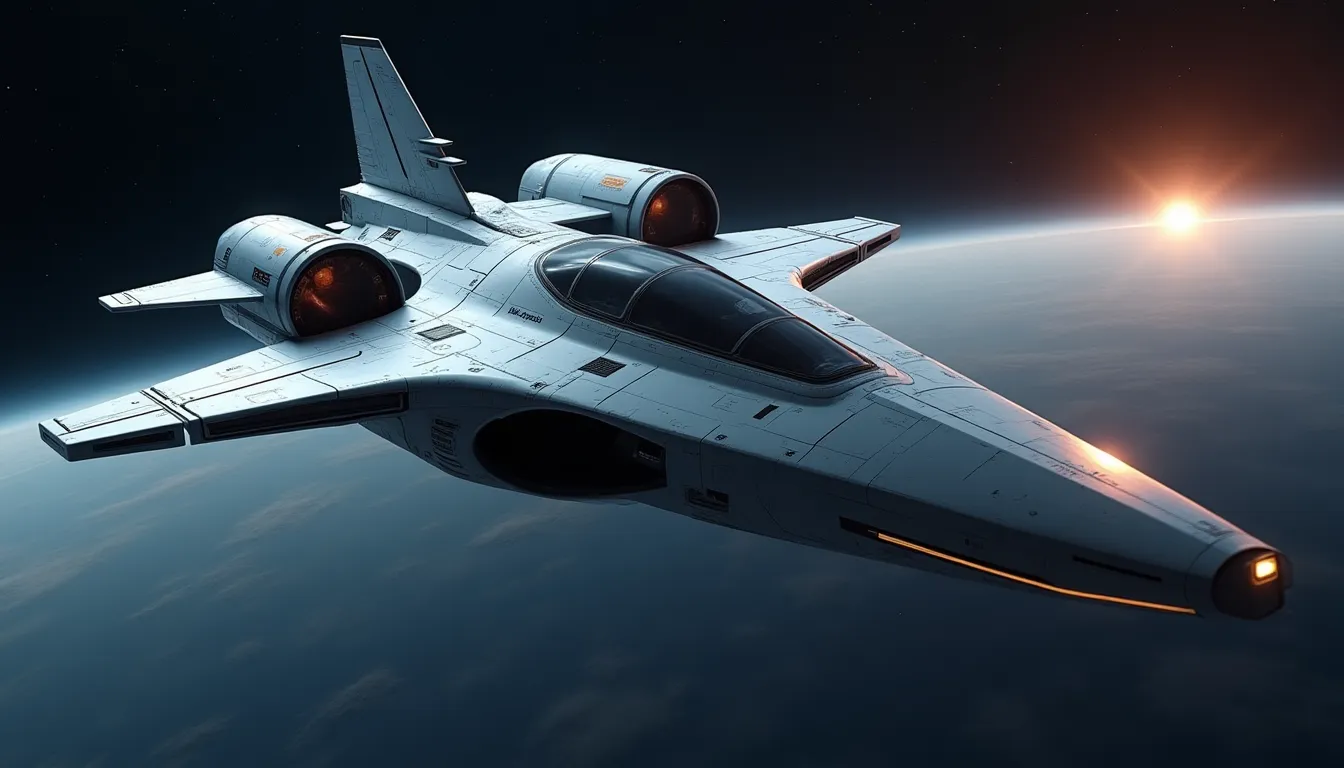
China is preparing for the launch of its Shenzhou-22 spacecraft, scheduled for November 25, 2023. This mission is crucial as it will serve as a lifeboat for astronauts currently aboard the Tiangong space station. The Shenzhou-22 mission highlights China’s commitment to sustaining its human spaceflight program and enhancing safety protocols for its astronauts.
The Significance of Shenzhou-22
The Shenzhou-22 spacecraft plays an essential role in ensuring that astronauts can safely return to Earth if an emergency arises. This mission comes after a series of successful launches and operations involving the Tiangong space station, which has been continuously inhabited since late 2022.
The Shenzhou-22 mission will not only serve as a rescue option but also as a means to deliver supplies and equipment to support ongoing operations within the station. According to Dr. Li Wei, a senior aerospace engineer at the China Academy of Space Technology, “Shenzhou-22 is a testament to our advancements in spacecraft technology and our commitment to astronaut safety.”
Technical Specifications of the Shenzhou-22
The Shenzhou-22 spacecraft features state-of-the-art technology designed to ensure efficient operation and safety. Key specifications include:
- Launch Vehicle: Long March 2F rocket, known for its reliability in carrying crewed missions.
- Weight: Approximately 7,800 kg at launch.
- Crew Capacity: Capable of transporting up to three astronauts.
- Life Support Systems: Advanced thermal management systems to maintain cabin conditions and air quality for crew comfort and safety.
The spacecraft is equipped with precision accelerometers and gyroscopic instruments that enhance its navigation capabilities and ensure a smooth flight trajectory. These components play a vital role in maintaining stability and orientation during ascent and docking maneuvers with the Tiangong space station.
Enhancing Space Operations and Safety
The Shenzhou-22 mission is strategically planned to coincide with ongoing research and development at the Tiangong space station. Since its inception, Tiangong has been a hub for scientific experiments and international collaboration in space exploration. The addition of Shenzhou-22 will not only safeguard the lives of astronauts but also ensure that the station remains fully operational and prepared for future missions.
Experts believe that the ability to launch a lifeboat spacecraft on short notice is a game-changer for human spaceflight. “Having a dedicated rescue vehicle ready to launch provides unmatched safety for astronauts,” says Dr. Maria Chen, a space safety analyst at the European Space Agency. “It allows for immediate response capabilities in case of unforeseen circumstances.”
Future Developments in China’s Space Program
The Shenzhou-22 mission signifies a broader trend in China’s aerospace ambitions. Following the successful implementation of the Tiangong space station, China aims to expand its human spaceflight capabilities with more complex missions, including potential lunar explorations by 2025.
Industry insiders speculate that the experience gained from missions like Shenzhou-22 will be instrumental in developing more advanced spacecraft technologies. This includes innovations in inertial navigation systems for improved guidance and control during space operations.
Conclusion
As the launch date approaches, the anticipation surrounding the Shenzhou-22 spacecraft grows. With its dual role as both a lifeboat and a supply vessel, it exemplifies China’s commitment to safety and innovation in space. This mission not only enhances the safety of astronauts aboard the Tiangong space station but also sets the stage for future advancements in China’s space exploration efforts.
In light of these developments, space enthusiasts and professionals alike will be watching closely as China continues to push the boundaries of human spaceflight. The successful launch of Shenzhou-22 could pave the way for even more ambitious missions, reaffirming the country’s position as a dominant force in the global aerospace industry.
References
-
spacecraft Research - defensenews.com (defensenews.com)
-
spacecraft Research - aviationweek.com (aviationweek.com)
-
spacecraft Research - spacenews.com (spacenews.com)