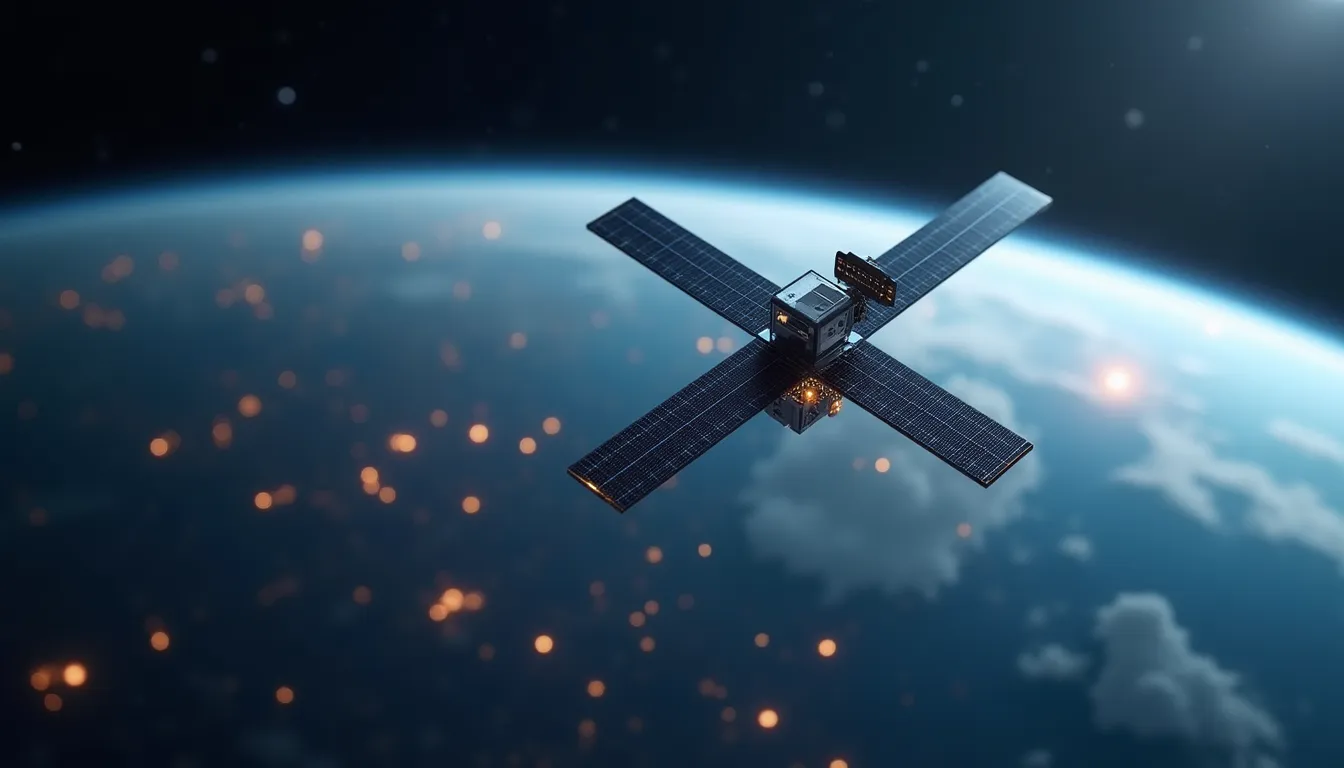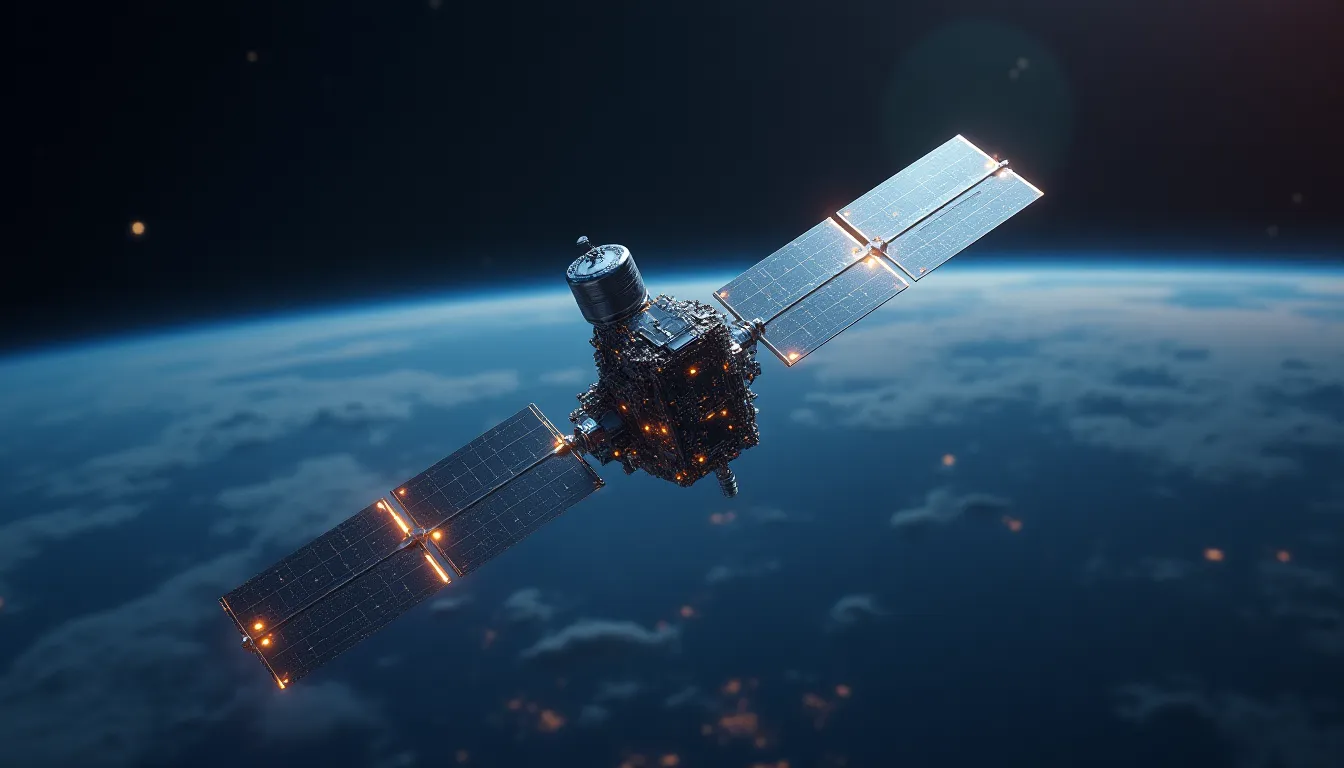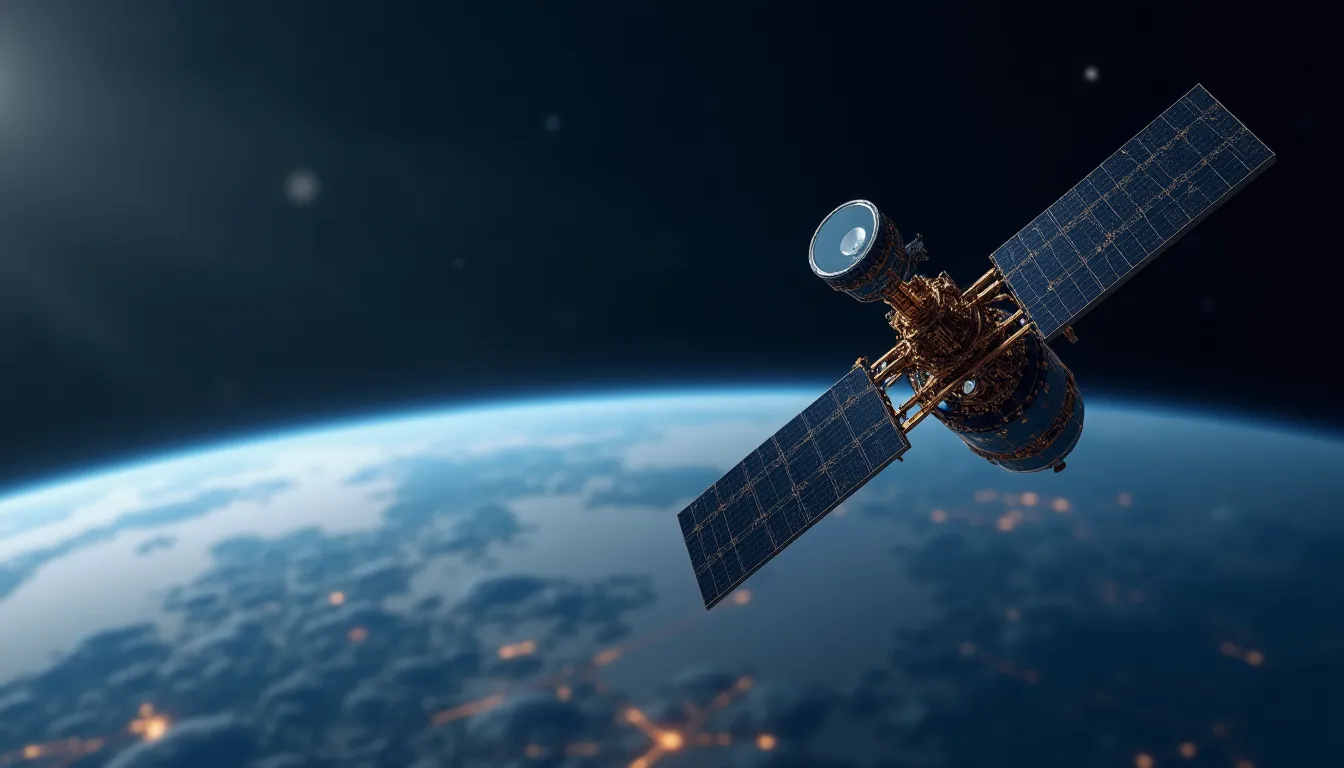
In the realm of aerospace and satellite technology, the race to deploy infrastructure at Lagrange points—stable regions in space where gravitational forces balance—has garnered significant attention. While the potential benefits of establishing a satellite presence in these zones are immense, experts caution against a hasty approach that could overlook critical strategic and operational considerations.
Understanding Lagrange Points
Lagrange points, specifically L1 to L5, are five positions in an orbital configuration where a small object, such as a satellite, can maintain a stable position relative to two larger objects, such as the Earth and the Moon. The L1 point between Earth and the Sun, for example, allows satellites to monitor solar activity continuously without interruption. These points offer unique advantages for various applications, including telecommunications, Earth observation, and deep-space exploration.
The Need for Strategic Planning
As the U.S. government and private sector ramp up efforts to establish a satellite presence in these strategic locations, it is vital to adopt a thoughtful approach. Dr. Emily Chen, a leading astrophysicist at the National Aeronautics and Space Administration (NASA), emphasizes the importance of comprehensive planning. “Rushing to deploy satellites at Lagrange points without a clear strategy could lead to overcrowding and potential conflicts in operational objectives,” she warns.
Moreover, the lack of existing frameworks for space traffic management at these locations raises the risk of accidental collisions, which could jeopardize expensive satellite investments and long-term missions.
Technical Considerations for Satellite Deployment
To successfully position satellites at Lagrange points, advanced technologies are essential. High-precision accelerometers are crucial for maintaining accurate motion sensing and ensuring precise orbital insertion. Additionally, professional gyroscopic instruments provide reliable orientation measurement, which is vital for stabilizing satellites that need to maintain their position relative to other celestial bodies.
Furthermore, effective thermal management systems are necessary to handle the extreme temperature variations encountered in space. These systems help maintain satellite functionality, especially for instruments that rely on stable operating temperatures to ensure optimal performance.
Potential Impacts on Space Exploration
The establishment of satellites at Lagrange points could significantly enhance capabilities in Earth observation, climate monitoring, and even interplanetary exploration. Dr. Samuel Torres, a space policy analyst, notes, “Deploying satellites at these points can revolutionize our understanding of solar dynamics and Earth’s climate systems, leading to more effective responses to environmental challenges.”
However, such advancements come with responsibilities. The U.S. must lead by example in creating policies that prioritize sustainable practices in space. This includes developing guidelines for satellite end-of-life disposal and minimizing space debris, which is becoming an increasing threat to operational satellites.
The Role of Collaboration and Innovation
To ensure that the U.S. maintains its leadership in space exploration, collaboration with international partners and the private sector is essential. Establishing joint missions and shared objectives can foster innovation and reduce costs associated with satellite deployment at Lagrange points.
Moreover, leveraging advancements in satellite technology, such as next-generation inertial navigation systems, can enhance navigation capabilities and improve the overall efficiency of satellite operations. These innovations will be vital as nations and private companies explore the potential of Lagrange points for future missions.
Conclusion: A Balanced Approach to the Future of Satellites
The U.S. stands at a pivotal moment in its space exploration efforts, with Lagrange points representing both a challenge and an opportunity. While the allure of rapid deployment is strong, careful planning, technological investment, and international cooperation are paramount to harnessing the full potential of these strategic locations. As we look to the future, a balanced approach will ensure that the U.S. can lead in the satellite domain while fostering a sustainable and cooperative environment in space exploration.
In the words of Dr. Chen, “The next decade will be crucial for defining how we utilize space resources, and it is our responsibility to do so wisely.”
As we move toward a more interconnected and technologically advanced future, the implications of our actions today will resonate for generations to come. The race to Lagrange points is not merely a race for technology; it is a race for sustainable and responsible space exploration.
References
-
satellite Research - defensenews.com (defensenews.com)
-
satellite Research - aviationweek.com (aviationweek.com)
-
satellite Research - spacenews.com (spacenews.com)