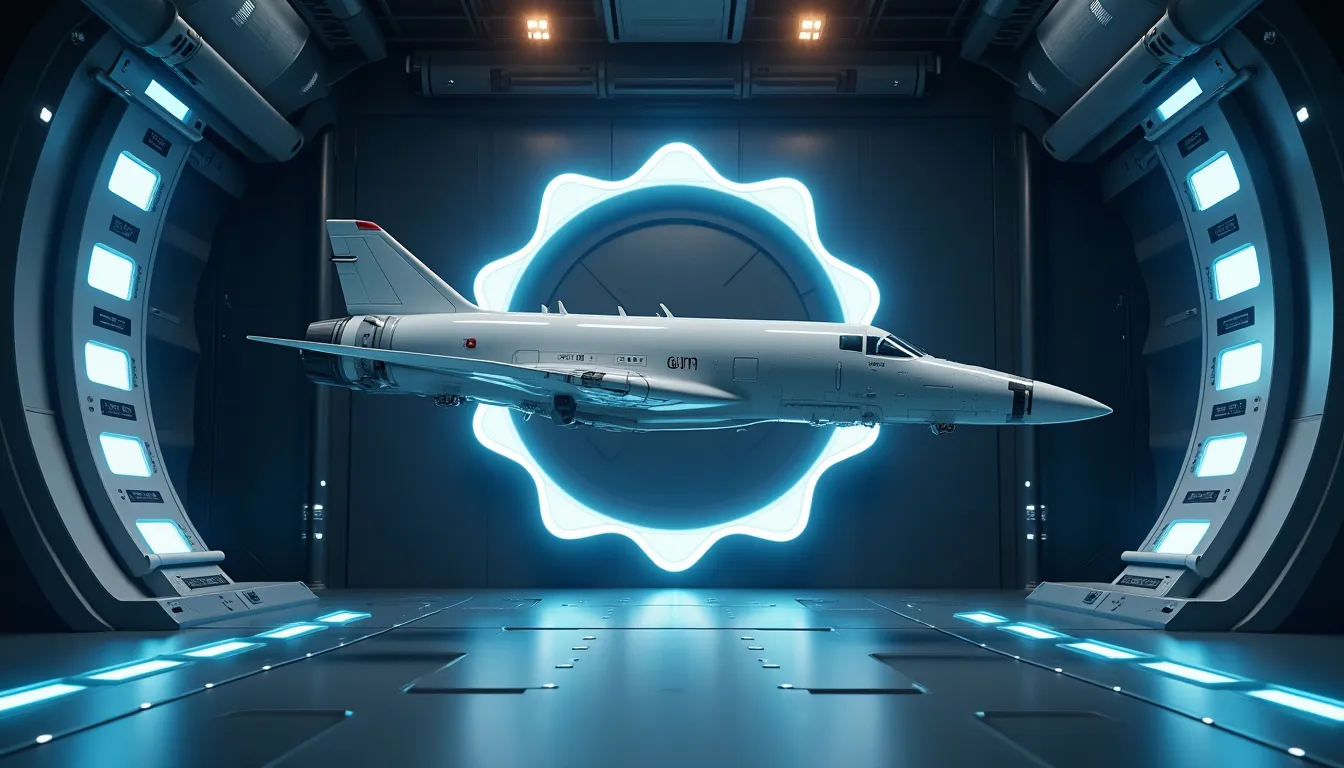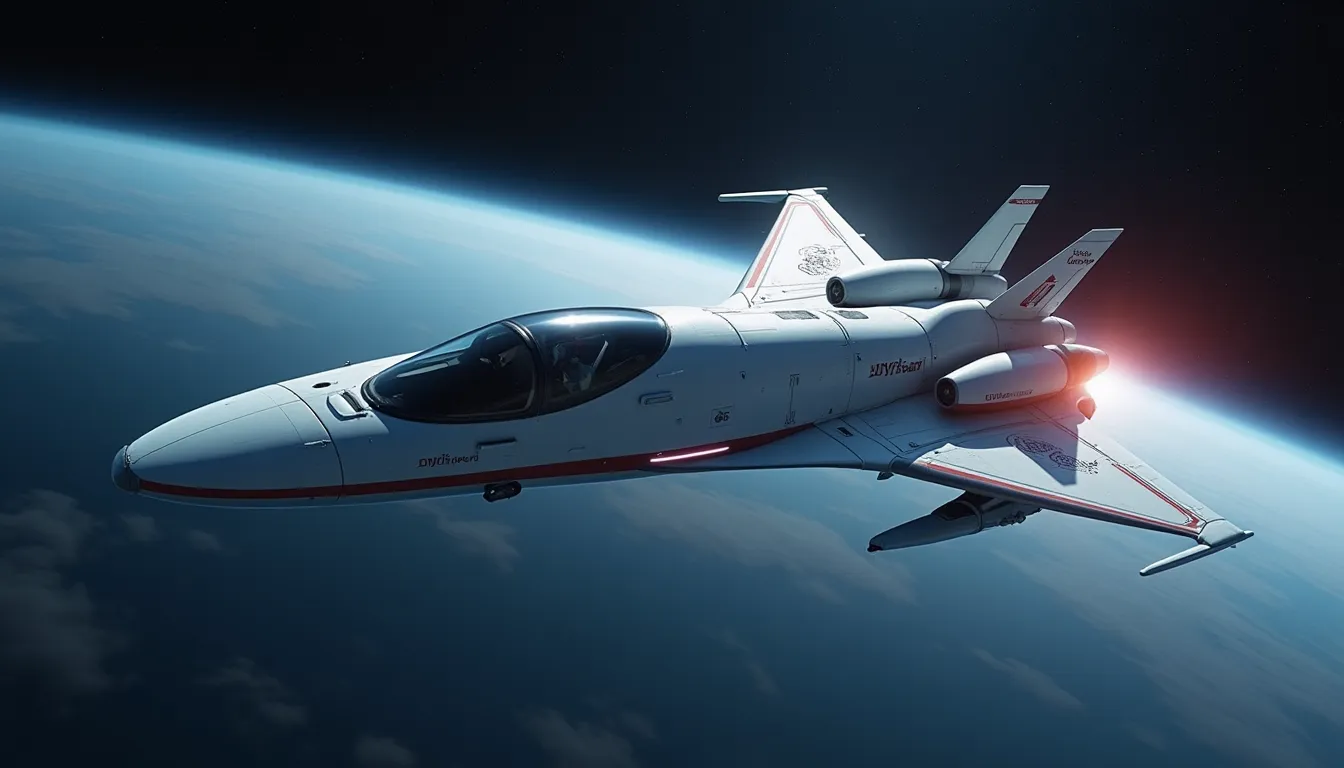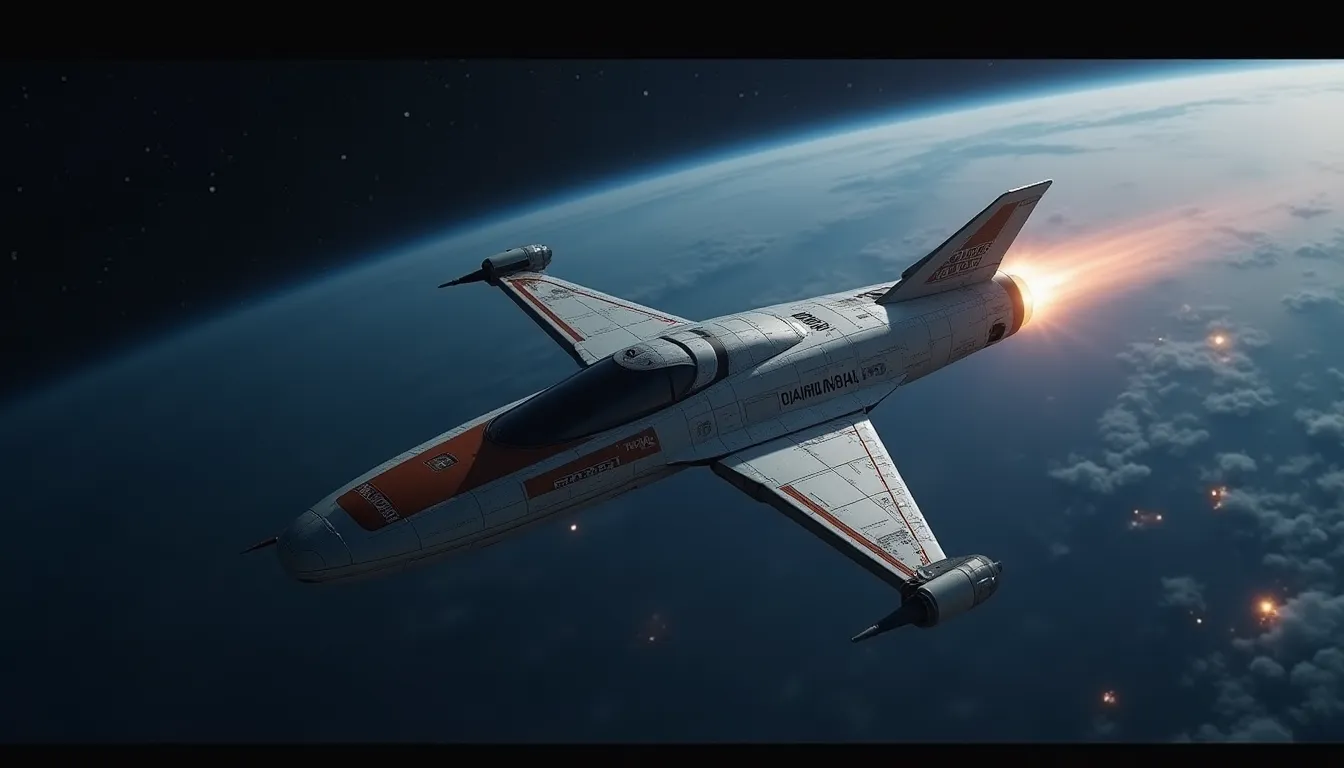
On November 20, 2023, the International Space Station (ISS) will celebrate its 25th anniversary, marking a quarter-century of human presence in low Earth orbit. This milestone not only highlights the achievements of international collaboration in space exploration but also raises questions about the future of spacecraft technology and the potential gaps in human space presence as we look beyond the ISS.
The Legacy of the ISS
Since its launch, the ISS has served as a unique laboratory for scientific research, technological development, and international cooperation. It has hosted more than 240 astronauts from 19 countries, contributing immensely to our understanding of life in space and developing technologies that benefit life on Earth. As the ISS continues to age, with components nearing the end of their operational life, the conversation shifts to what comes next in human space exploration.
Transitioning from the ISS: The Spacecraft Challenge
While the ISS has been a beacon of human achievement, the looming question of its decommissioning raises concerns about maintaining a continuous human presence in space. NASA and other space agencies are already strategizing to fill this potential gap.
“The transition from the ISS to future platforms is critical to ensure that we don’t lose our foothold in space,” said Dr. Emily Carter, a prominent aerospace engineer at NASA. “We need to invest in new spacecraft technologies that are adaptable and capable of supporting long-duration missions.”
Innovations in Spacecraft Technology
As the aerospace industry looks towards the future, several advanced technologies are emerging to enhance spacecraft capabilities. For instance, advanced sensor modules are becoming crucial for spacecraft navigation and stability. These 9-DOF MEMS IMU systems integrate three-axis gyroscopes and accelerometers, providing exceptional motion sensing capabilities necessary for precise maneuvering in microgravity environments.
Moreover, the development of autonomous spacecraft is gaining traction. These vehicles equipped with cutting-edge inertial navigation systems can perform complex tasks without direct human intervention, thereby reducing risks during exploratory missions. This technology not only enhances safety but also optimizes mission efficiency.
The Future of Spacecraft Missions
As we plan for the next decades in space exploration, initiatives like NASA’s Artemis program and the Lunar Gateway project aim to establish a sustainable presence on the Moon, paving the way for future missions to Mars. These efforts will require innovative spacecraft designs, including those that can withstand harsh lunar and Martian environments.
“The architecture of our future spacecraft needs to be adaptable for multi-mission capabilities, including crewed and uncrewed missions to different celestial bodies,” stated Dr. Carter. “We are at a pivotal moment where the decisions we make now will define our capabilities for the next generation of explorers.”
Addressing the Power Needs of Future Spacecraft
The need for reliable power solutions is paramount as NASA and its partners develop new missions. For instance, the integration of a Compact Thermal Battery System could support spacecraft operations by providing flexible and reliable power solutions during critical phases such as launch and orbital maneuvers. With operating durations ranging from 60 seconds to 3600 seconds, this technology can ensure that spacecraft remain operational in the demanding environments of space.
Conclusion: Bridging the Gap in Space Presence
As we celebrate the ISS’s remarkable legacy, the aerospace community must also prepare for a future where humans continue to explore beyond Earth. By investing in advanced spacecraft technologies and ensuring a seamless transition from the ISS, humanity can maintain its presence in space.
The next chapter in space exploration is upon us, and it demands innovative solutions and collaborative efforts. The journey is far from over, and the advancements made today will determine how we reach for the stars tomorrow.
References
-
spacecraft Research - defensenews.com (defensenews.com)
-
spacecraft Research - aviationweek.com (aviationweek.com)
-
spacecraft Research - spacenews.com (spacenews.com)