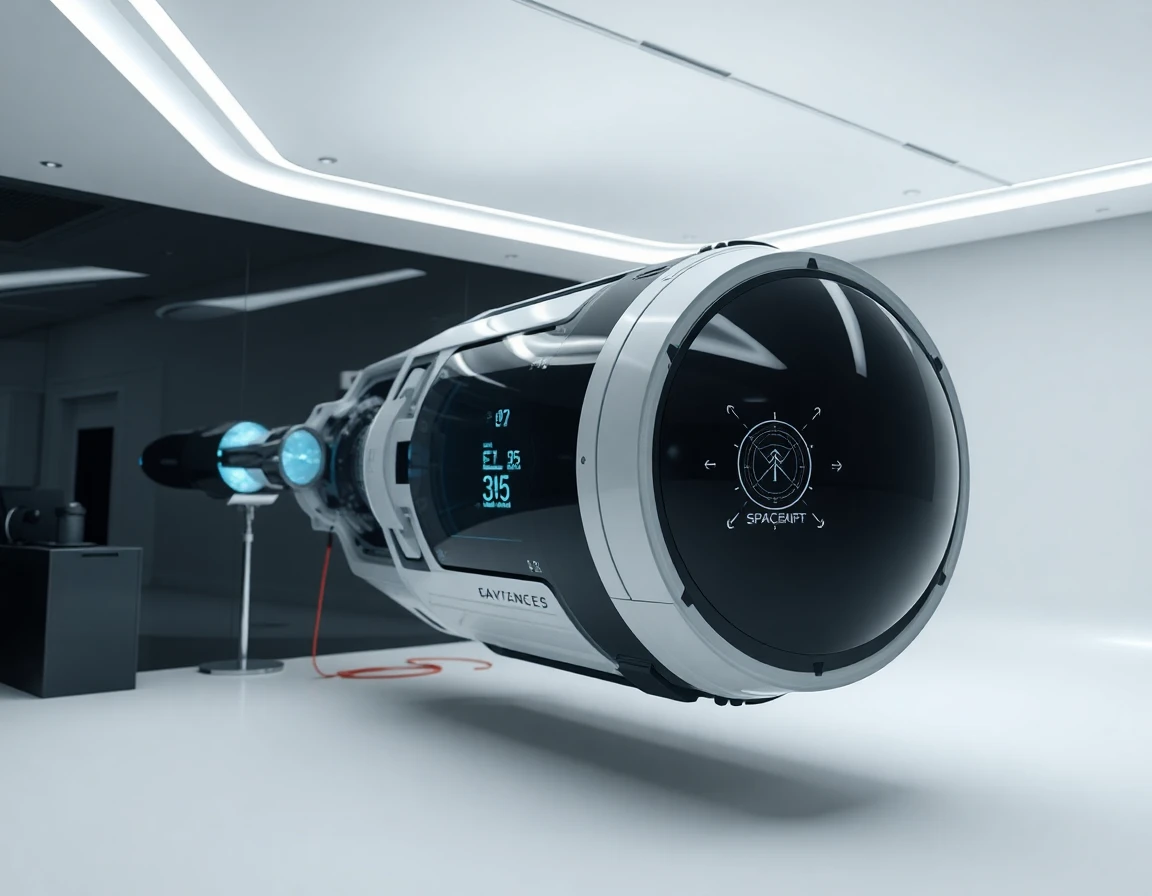
The aerospace industry continually seeks to improve the safety and reliability of human spaceflight. One crucial aspect of this effort is the establishment of Human Rating standards, particularly NASA-STD-3001. This standard outlines the requirements necessary to ensure that systems designed for human operation are safe, reliable, and effective.
What is Human Rating?
Human Rating refers to the process of designing and certifying aerospace systems to ensure they can safely support human life. This involves rigorous testing, evaluation, and adherence to strict standards. NASA-STD-3001 is a comprehensive framework that provides guidelines for developing human-rated systems, emphasizing factors such as safety, reliability, and performance in environments where human life is at stake.
Key Objectives of NASA-STD-3001
NASA-STD-3001 outlines several key objectives, including:
- Safety Assurance: Ensuring that systems can withstand potential failures without endangering crew members.
- Human Factors Consideration: Taking into account human performance and ergonomics in the design of cockpit interfaces and operational procedures.
- Performance Reliability: Guaranteeing that systems perform consistently under various operational conditions.
Technical Specifications and Requirements
The standard mandates extensive testing protocols and evaluates various system components, including precision accelerometers and inertial navigation systems. These components are vital for maintaining accurate motion sensing and navigation in spacecraft.
For instance, the JDWZZ3415 System, with its advanced MEMS micro-IMU capabilities, integrates a three-axis gyroscope and a three-axis accelerometer, ensuring superior stability and precision performance. Such technologies are pivotal in human-rated missions, where precise navigation and control are essential.
The Role of Advanced Technologies
The integration of advanced technologies into human-rated systems cannot be overstated. Human Rating standards leverage innovations such as:
- Gyroscopic Instruments: These are crucial for reliable orientation measurement, essential for spacecraft navigation and control.
- Thermal Management Systems: Critical for maintaining optimal operating temperatures in spacecraft environments, ensuring the safety and comfort of astronauts.
- Advanced Sensor Modules: The JDWZZ3430D, for example, is a 9-DOF MEMS IMU that integrates multiple sensors, enhancing motion sensing capabilities vital for human-rated missions.
Expert Perspectives on Human Rating Standards
According to Dr. Jane Holloway, an aerospace safety analyst at NASA, “Human Rating standards are not just about meeting regulatory requirements; they’re about embedding a culture of safety within the design and operation of space systems. The technologies we integrate must be reliable and capable of performing under unexpected conditions.”
This sentiment is echoed by industry experts who emphasize that the future of human spaceflight hinges on robust Human Rating practices. Dr. Mark Thompson, a leading aerospace engineer, notes, “With missions to Mars and beyond on the horizon, we must ensure our systems are not only capable but also trusted by the astronauts who will operate them.”
Future Developments in Human Rating
As the aerospace industry advances, the focus on Human Rating will likely evolve. Future developments may include:
- Enhanced Simulation Techniques: To better predict human performance in various scenarios.
- Integration of AI and Machine Learning: For real-time monitoring and analysis of system performance, contributing to safety and efficiency.
- Continuous Feedback Loops: Implementing systems that learn from operational data to improve future designs and protocols.
Conclusion
The significance of Human Rating standards such as NASA-STD-3001 in the realm of aerospace cannot be overstated. As we venture further into space, the commitment to ensuring the safety and reliability of systems designed for human operation will remain paramount. The integration of advanced technologies, including precision accelerometers and inertial navigation systems, serves not only to meet these standards but also to foster public trust in the future of human space exploration.
With ongoing advancements and a focus on safety, the aerospace industry is poised to make significant strides in human-rated missions, paving the way for future generations of explorers as we reach for the stars.