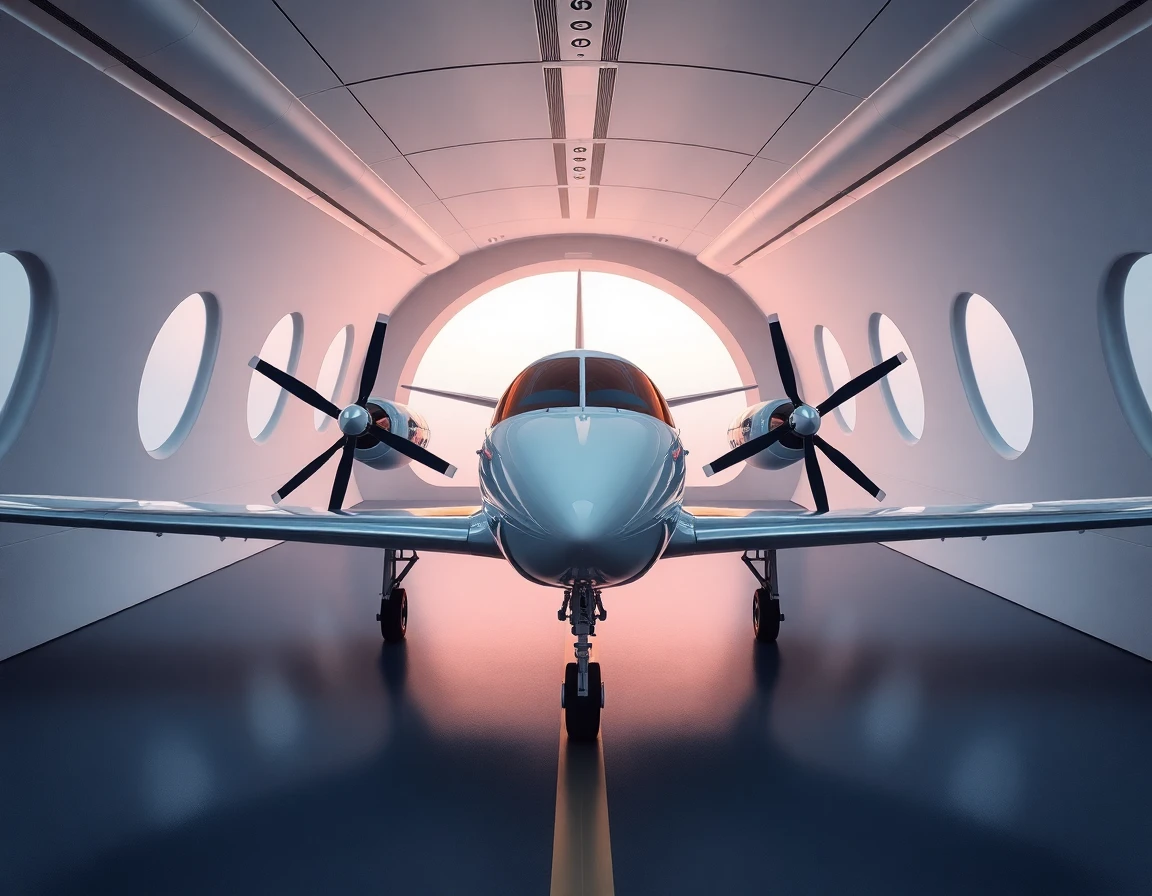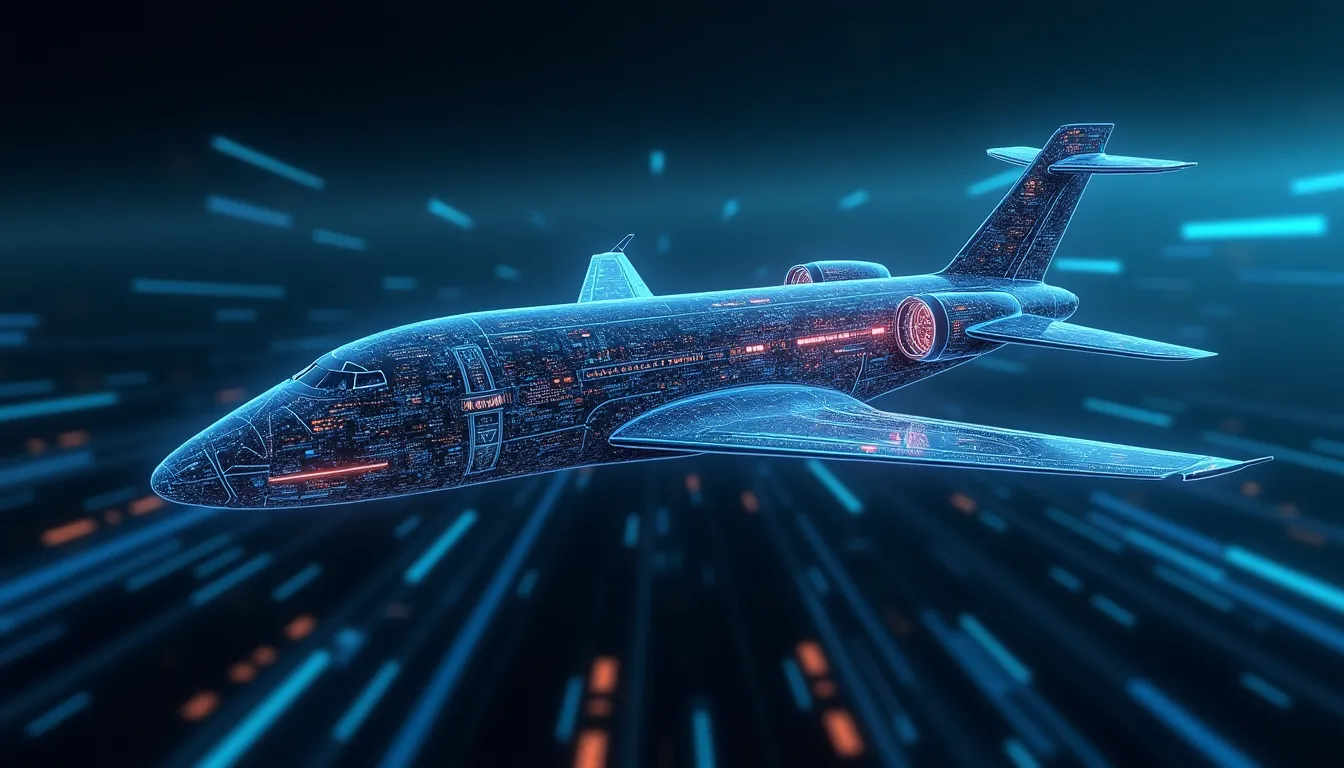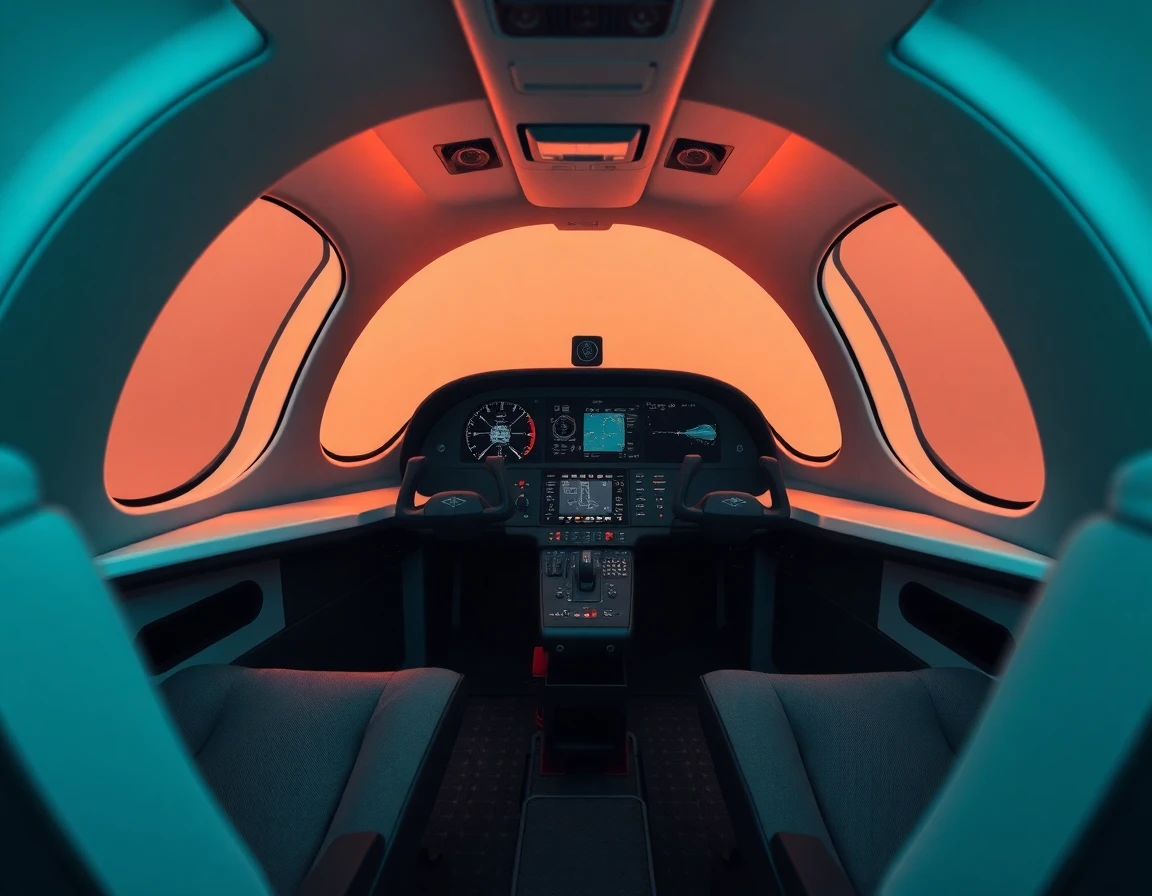
In the rapidly evolving aerospace sector, neural interface aviation stands at the forefront of innovation, promising to revolutionize how pilots are trained and how aircraft are controlled. Brain-computer interfaces (BCIs) are increasingly being integrated into aviation, aiming to enhance situational awareness, decision-making, and overall flight safety.
Understanding Neural Interface Aviation
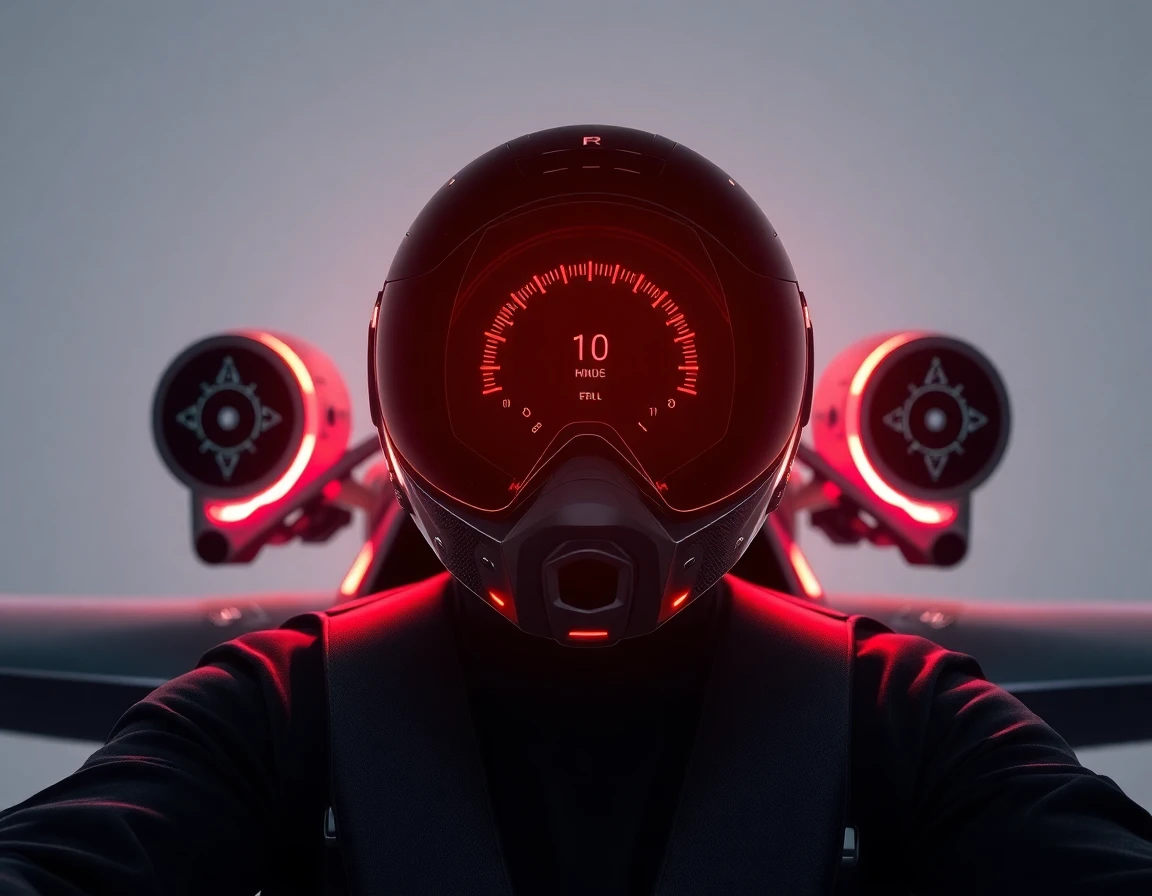
Neural interface aviation refers to the technology that enables direct communication between a pilot’s brain and the aircraft’s control systems. By utilizing brain-computer interfaces, these systems can interpret neural signals and translate them into actionable commands for the aircraft. This technology not only has the potential to streamline pilot training but also to improve flight operations in real-time.
Dr. Amelia Harris, a leading researcher in aerospace technology, explains, “Neural interfaces allow pilots to interact with their aircraft in ways that were previously unimaginable. By harnessing the power of our own neural signals, we can create a more intuitive flying experience.”
Enhancing Pilot Training with BCI Technology
Traditional pilot training often relies heavily on simulators and physical aircraft, which can be time-consuming and expensive. However, with the advent of neural interfaces, training programs can be significantly enhanced. BCIs can provide instant feedback on a pilot’s cognitive load, decision-making speed, and stress levels, allowing instructors to tailor training programs to individual needs.
For example, during a flight simulation, a neural interface could monitor brainwave patterns to assess how well a pilot is coping with multi-tasking during high-pressure scenarios. This data can then be used to create a customized training regimen that focuses on areas needing improvement.
Real-Time Control and Monitoring
The integration of neural interfaces into aircraft control systems also presents a significant leap forward in operational efficiency. By allowing pilots to control certain aspects of the aircraft using their thoughts, BCIs can reduce reaction times and enhance overall situational awareness.
One of the critical components of this technology is advanced sensors that work in tandem with neural interfaces. For instance, the Advanced Sensor Module, which integrates a 9-DOF MEMS IMU, enhances motion sensing capabilities. This technology can provide crucial data on pilot movements and aircraft dynamics, further informing the neural interface’s responses.
Industry Context and Current Developments
The aerospace industry is witnessing a significant shift towards automation and data-driven decision-making. Major companies, including Boeing and Airbus, are investing heavily in neural interface technology to stay competitive. The U.S. Air Force has also begun exploring BCIs for military applications, aiming to reduce pilot workload and enhance mission effectiveness.
As Major John Smith, an Air Force pilot and BCI advocate, points out, “The integration of neural interfaces into military aviation could be a game changer. It allows us to operate aircraft more efficiently and safely, especially in high-stakes environments.”
Future Impacts and Developments
Looking ahead, the potential applications of neural interface aviation are vast. As technology advances, we may see widespread adoption of BCIs in commercial aviation, potentially leading to more automated flight systems. This could not only enhance safety but also reduce operational costs for airlines.
Moreover, as neural interfaces become more refined, they may also facilitate better communication between pilots and ground control. Imagine a scenario where a pilot can convey complex information or receive instructions through neural signals instead of traditional radio communication — this could drastically improve efficiency and reduce the chances of miscommunication.
Ethical Considerations and Challenges
However, the rise of neural interface aviation does not come without challenges. Ethical considerations regarding data privacy, mental health implications, and the potential for misuse of technology must be addressed. As we move forward, it will be crucial for industry stakeholders to establish guidelines that ensure the ethical use of brain-computer interfaces.
Conclusion
Neural interface aviation represents a groundbreaking advancement in the aerospace industry, poised to transform pilot training and aircraft control. By enhancing situational awareness and reducing cognitive load, these technologies may not only improve safety and efficiency but also redefine the future of aviation as we know it. As researchers and industry leaders continue to explore the potential of BCIs, the horizon looks bright for the integration of neural interfaces in the skies.
In conclusion, the marriage of neural technology and aviation is set to create smarter, safer, and more efficient flight experiences for both pilots and passengers alike.