Exploring Hypersonic Technology in Modern Defense Systems
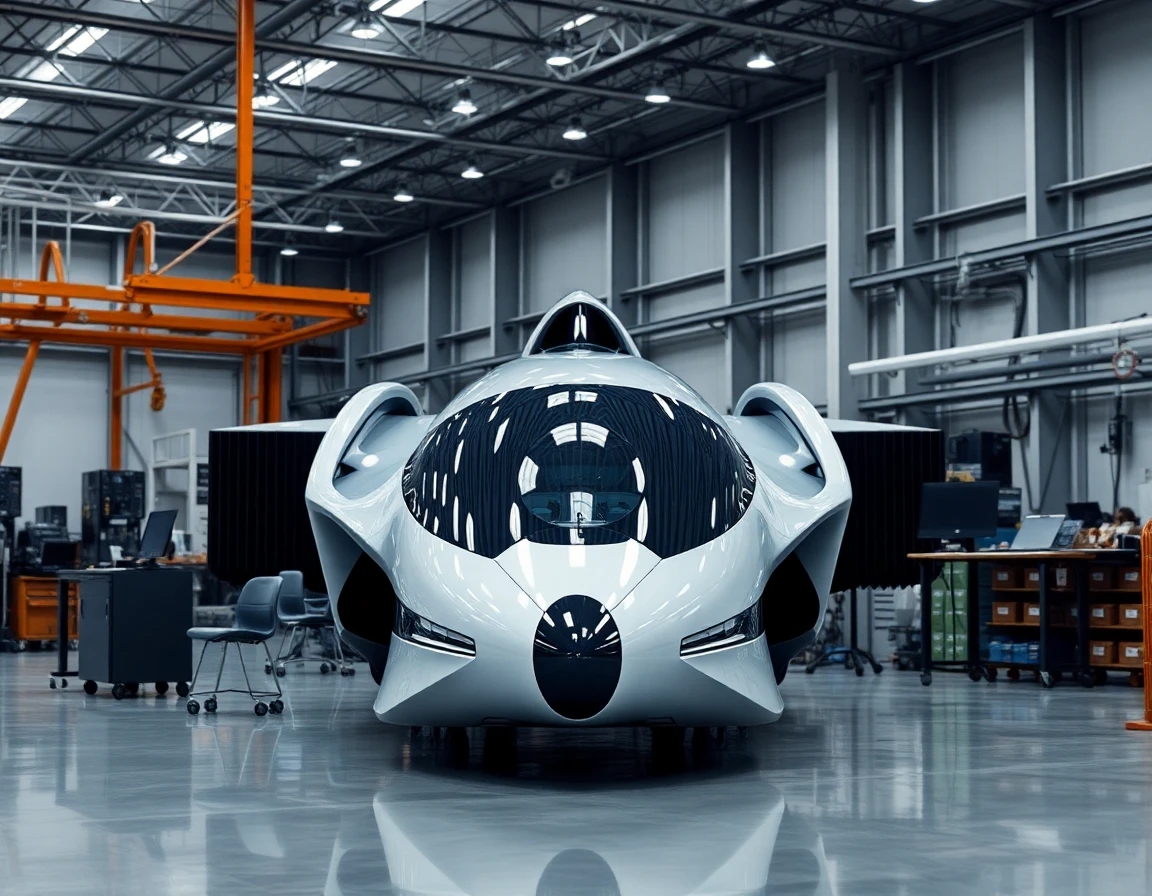
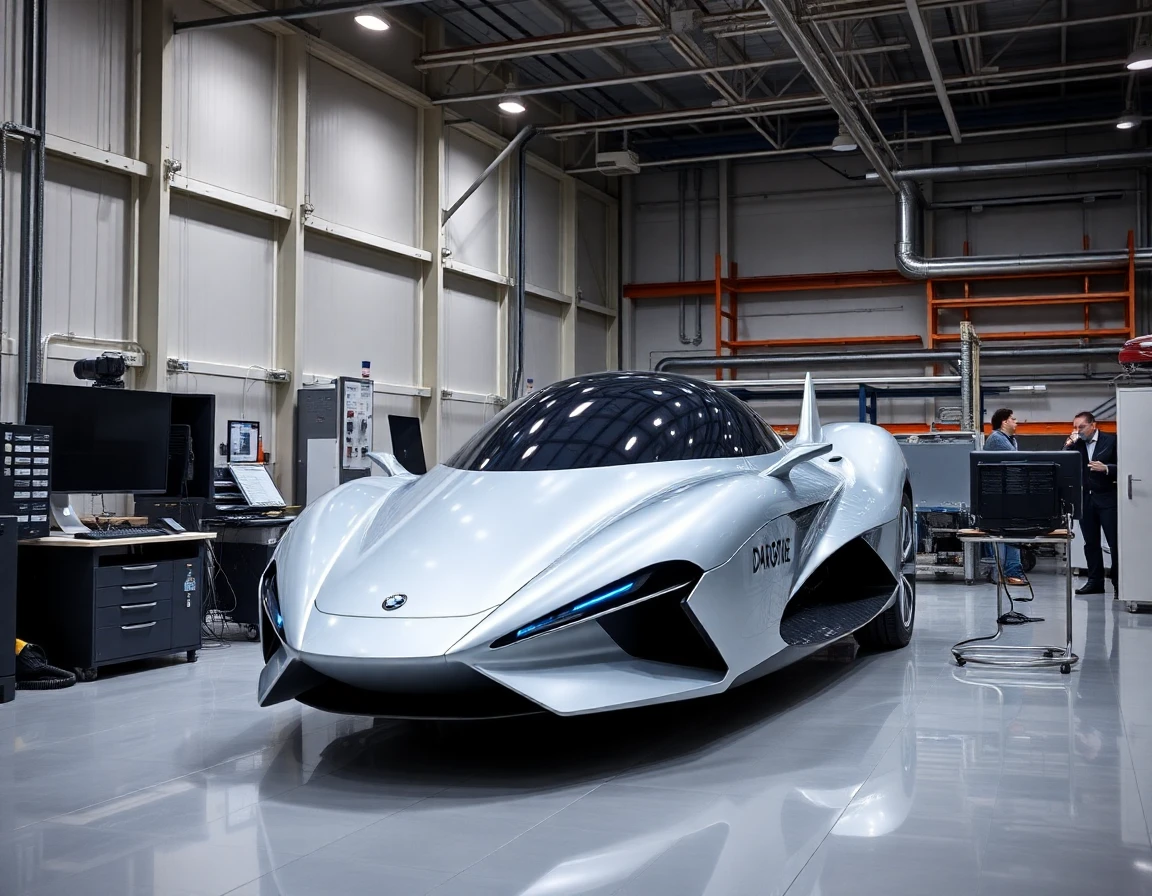
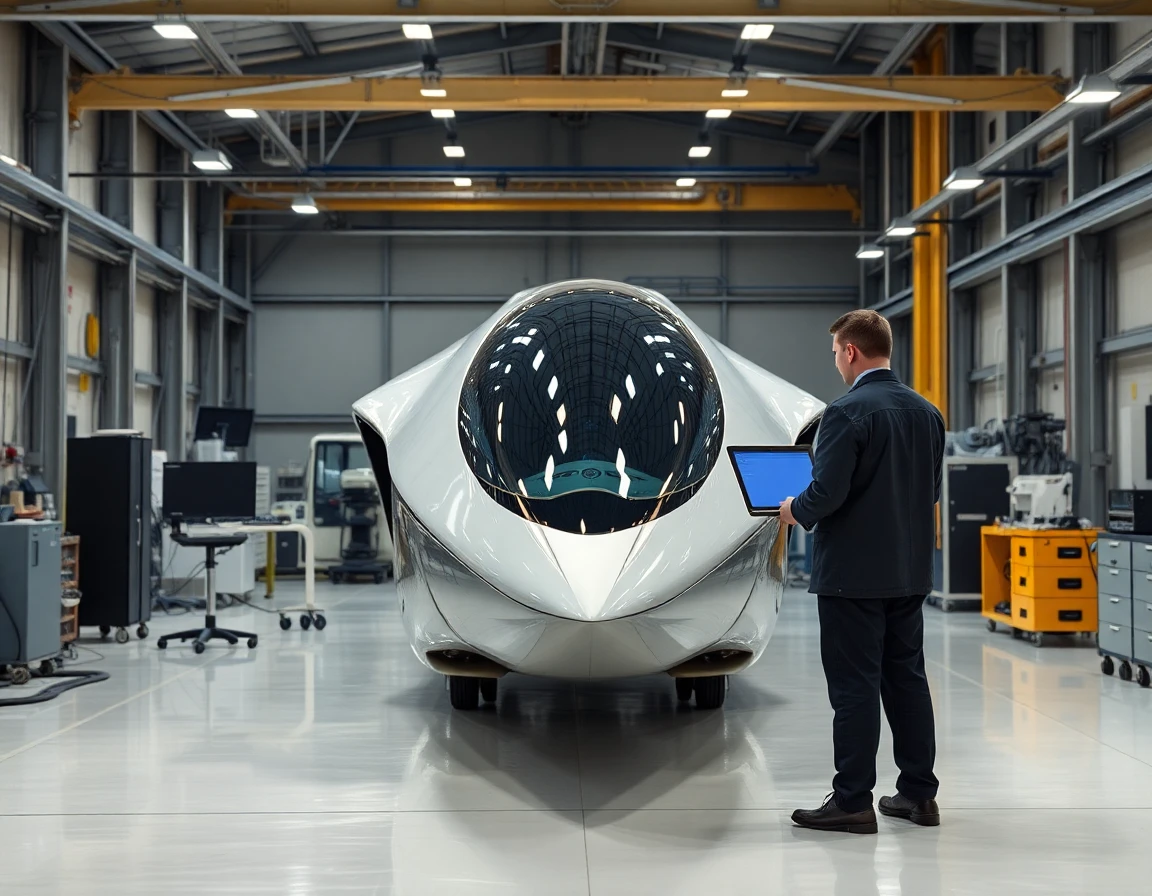
Hypersonic technology has emerged as a game-changer in defense capabilities, enabling military forces to engage targets at unprecedented speeds. With speeds exceeding Mach 5, hypersonic vehicles are capable of evading current defense systems, necessitating a paradigm shift in military strategy and technology.
What is Hypersonic Technology?
Hypersonic technology refers to vehicles and weapons that travel at speeds greater than five times the speed of sound (Mach 5). This includes hypersonic glide vehicles (HGVs) and hypersonic cruise missiles (HCMs). These systems not only travel at extreme speeds but also maneuver during flight, making them difficult to detect and intercept.
Key Developments in Hypersonic Capabilities
Recent advancements in hypersonic technology have been driven by global defense initiatives. The United States, Russia, and China are among the leading nations in this field. For instance, the U.S. Army’s recent tests of the Long Range Hypersonic Weapon (LRHW) have demonstrated the ability to strike targets at great distances with minimal warning. These developments are crucial as nations strive to maintain a strategic advantage in an increasingly complex threat landscape.
Integration with Advanced Systems
To maximize the effectiveness of hypersonic technology, integration with other advanced systems is essential. This includes the use of precision accelerometers that provide accurate motion sensing for hypersonic vehicles. These high-precision accelerometers enable enhanced stability and control, crucial for the unpredictable flight paths of hypersonic platforms.
The Role of Radar Systems
Countering hypersonic threats also requires advanced radar systems capable of detecting and tracking objects traveling at such high speeds. Traditional radar systems may struggle with hypersonic targets due to their swift maneuvers and low-altitude flight paths. Thus, developing next-generation radar systems that can effectively monitor these fast-moving threats is critical for national defense.
Expert Perspectives on the Future of Hypersonic Technology
Dr. Emily Carter, a leading aerospace engineer specializing in hypersonic flight, states, “The rapid pace of development in hypersonic technology represents a significant leap in military capabilities. However, this also raises challenges for defense systems that must evolve concurrently to counter these advancements.”
Potential Impacts of Hypersonic Technology
The deployment of hypersonic technology could reshape global military strategies. It could provide nations with a first-strike capability, leading to a potential arms race as countries rush to develop their hypersonic systems. Moreover, the ability to deploy weapons with such speed could alter the nature of warfare, making traditional defense strategies obsolete.
Future Developments and Challenges
While the potential of hypersonic technology is vast, challenges remain. Engineering hurdles such as heat management, structural integrity, and propulsion systems must be overcome. Additionally, the ethical implications of hypersonic weapons and their potential use in conflicts must be carefully considered by policymakers.
Conclusion
Hypersonic technology is at the forefront of military innovation, promising to transform defense capabilities. As nations invest heavily in this technology, the integration of advanced systems like precision accelerometers and radar systems will be pivotal in both leveraging and countering these advancements. The future of warfare may very well depend on how effectively countries can adapt to the challenges posed by hypersonic technology.
As the landscape of defense technology evolves, staying informed about these developments is crucial for understanding the future of military strategy and security.
References
-
hypersonic technology Research - defensenews.com (defensenews.com)
-
hypersonic technology Research - aviationweek.com (aviationweek.com)
-
hypersonic technology Research - spacenews.com (spacenews.com)