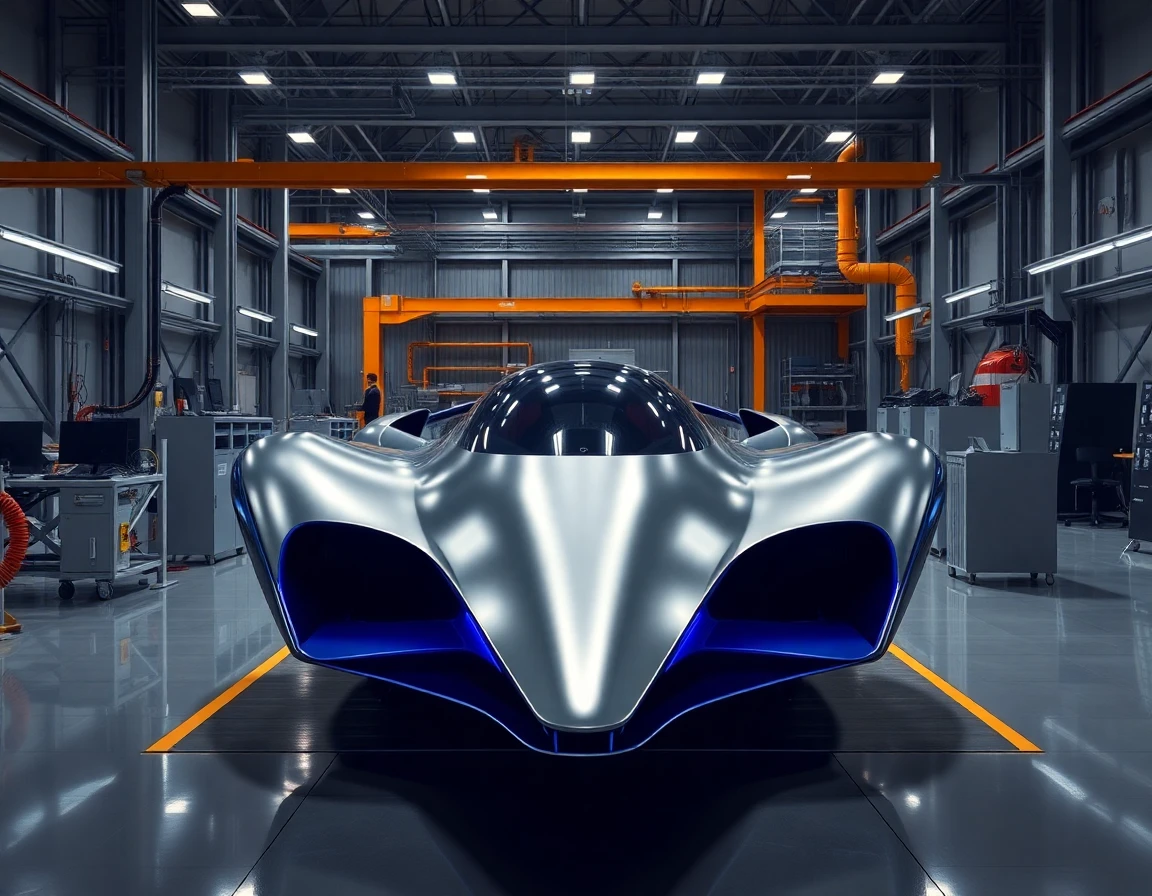
As nations around the world race to develop hypersonic technology, the implications for modern defense systems are profound. This cutting-edge field, characterized by speeds exceeding Mach 5, is set to revolutionize military capabilities, enhance strategic deterrence, and transform global security dynamics.
Understanding Hypersonic Technology
Hypersonic technology encompasses both hypersonic glide vehicles (HGVs) and hypersonic cruise missiles (HCMs). These systems leverage advanced propulsion methods, allowing them to fly at speeds greater than five times the speed of sound. Unlike conventional ballistic missiles, hypersonic weapons can maneuver during flight, making them significantly harder to detect and intercept using existing radar systems.
Key Developments in Hypersonic Technology
Recent advancements in materials science, propulsion, and guidance systems have propelled the development of hypersonic vehicles. Countries such as the United States, Russia, and China are investing heavily in this technology. For instance, the U.S. Department of Defense is focusing on integrating hypersonic capabilities into its existing platforms.
“Hypersonic technology is no longer a concept of the future; it’s becoming a reality today,” says Dr. Emily Chen, a senior defense analyst at the Institute for Strategic Studies. “The ability to strike targets with such speed and precision changes the game entirely.”
The Role of Advanced Sensors
The integration of advanced sensors is critical for the effective operation of hypersonic systems. These vehicles require precise motion sensing to navigate accurately through changing atmospheric conditions. The Advanced Sensor Module, for instance, features a 9-DOF MEMS IMU that combines a three-axis gyroscope, accelerometer, and magnetic sensor, delivering exceptional stability and comprehensive motion sensing capabilities. This technology enhances the navigational and operational efficiency of hypersonic vehicles, ensuring reliable performance under extreme conditions.
Potential Impacts on Global Defense Strategies
The introduction of hypersonic technology into military arsenals could lead to significant shifts in global defense strategies. As these systems become operational, they challenge existing missile defense systems, necessitating rapid advancements in countermeasures.
“Countries will need to rethink their defense postures,” explains Dr. Alex Mendez, a military strategist at the Center for Defense Innovation. “Hypersonic weapons can bypass traditional defenses, making them a formidable component of modern warfare.”
Challenges and Future Directions
Despite the promising advancements, hypersonic technology is not without its challenges. Issues related to thermal management systems during flight, as well as the need for robust guidance and control mechanisms, remain areas of active research.
For example, hypersonic vehicles experience extreme heat due to air friction at high speeds, necessitating effective thermal management solutions to protect onboard systems. Moreover, the development of reliable inertial navigation systems is essential for maintaining accuracy and control during flight.
Conclusion: The Road Ahead
As hypersonic technology continues to evolve, its integration into defense systems will undoubtedly reshape military strategies worldwide. The advancements in precision accelerometers and advanced sensor technologies will play vital roles in ensuring that these systems operate effectively and reliably.
With nations vying for superiority in this critical domain, it is clear that hypersonic technology will be a cornerstone of future military capabilities, influencing global security for years to come. As Dr. Chen aptly puts it, “The race for hypersonic capabilities is a key indicator of the future of warfare.”
References
-
hypersonic technology Research - defensenews.com (defensenews.com)
-
hypersonic technology Research - aviationweek.com (aviationweek.com)
-
hypersonic technology Research - spacenews.com (spacenews.com)