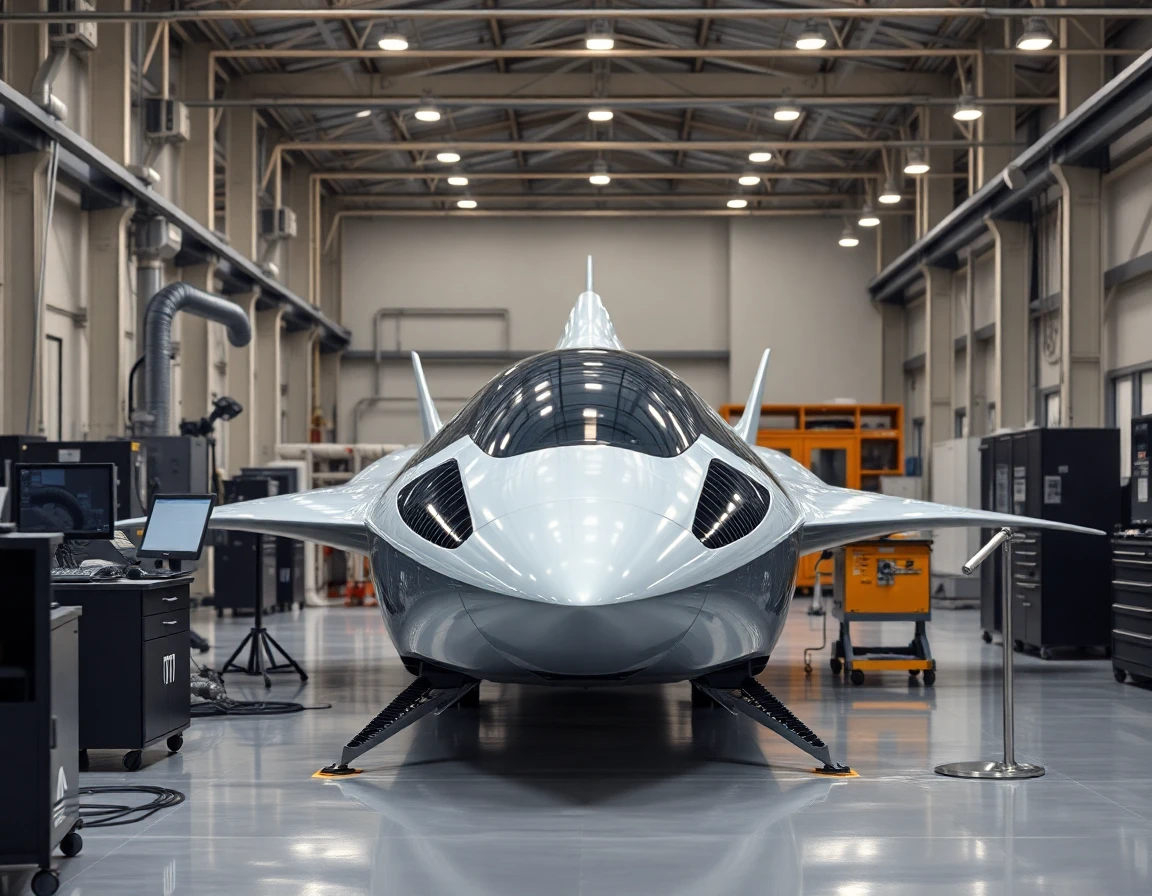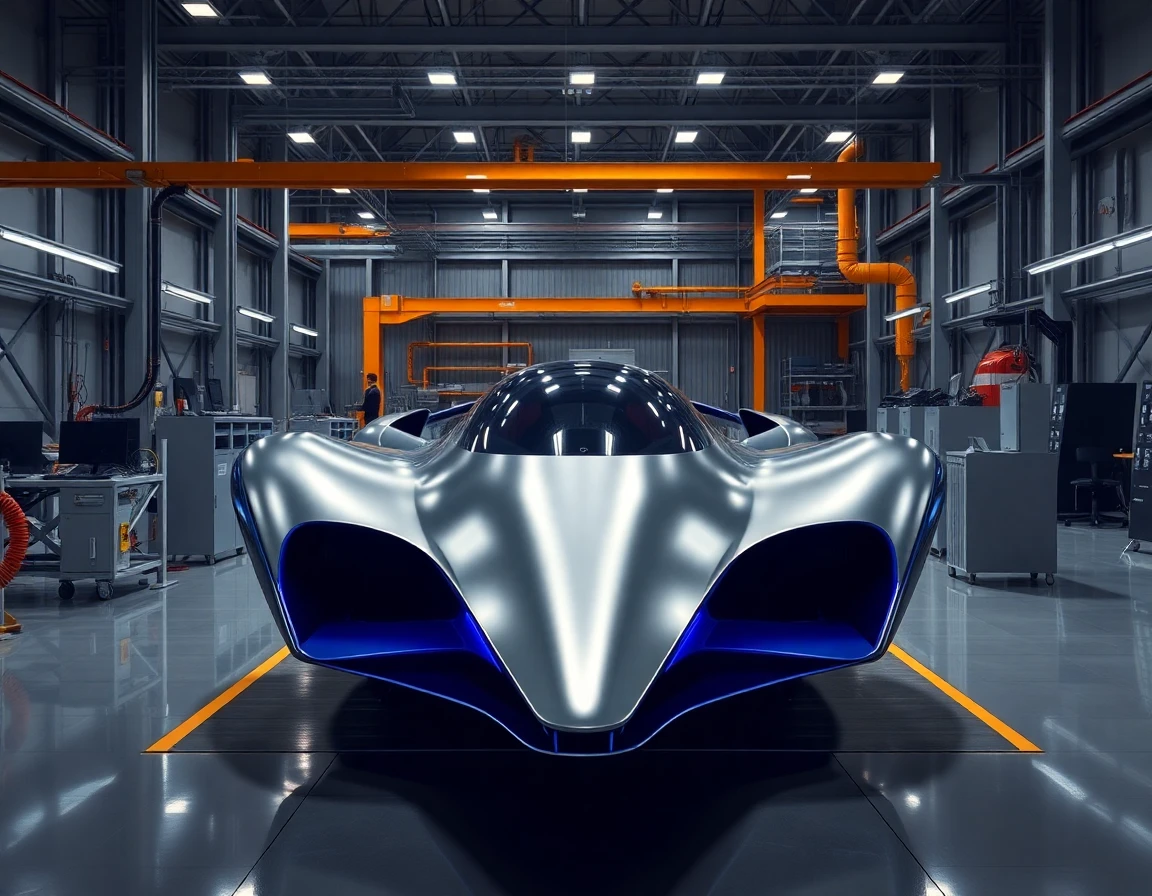
Hypersonic technology, defined as the ability to travel at speeds exceeding Mach 5, has emerged as a pivotal component in the evolution of modern defense systems. With countries around the globe investing heavily in research and development, hypersonic vehicles are set to reshape the battlefield dynamics of the future.
Understanding Hypersonic Technology
Hypersonic technology encompasses both hypersonic glide vehicles (HGVs) and hypersonic cruise missiles (HCMs). HGVs are launched from a rocket and glide at hypersonic speeds, while HCMs are powered by advanced scramjet engines, allowing for sustained hypersonic flight. The development of these technologies is critical due to their ability to evade traditional missile defense systems, making them a strategic asset in military operations.
Recent Developments in Hypersonic Technology
Recent tests conducted by the United States, China, and Russia have showcased significant advancements in hypersonic capabilities. In 2022, the U.S. successfully launched the Common Hypersonic Glide Body (CHGB) during a series of tests, demonstrating the vehicle’s ability to maneuver at hypersonic speeds. According to Dr. Emily Johnson, a defense technology analyst, “The successful testing of hypersonic systems marks a turning point in military strategy, as these weapons can strike targets much faster than traditional missiles, complicating enemy defense systems.”
Integration with Defense Systems
The integration of hypersonic technology into existing defense systems is crucial for maximizing its effectiveness. Advanced inertial navigation systems are essential for providing precise guidance during flight, ensuring that hypersonic vehicles can accurately reach their intended targets. These systems, which rely on precision accelerometers, play a vital role in maintaining trajectory and stability at extreme speeds.
Moreover, the incorporation of radar systems that can track hypersonic objects is imperative for real-time monitoring and response capabilities. As Dr. Mark Thompson, a leading aerospace engineer, notes, “As hypersonic technology evolves, so too must our radar systems. We need to develop new tracking technologies capable of detecting and engaging targets traveling at such high velocities.”
Potential Impacts of Hypersonic Technology
The implications of hypersonic technology extend beyond mere military applications. The ability to deploy hypersonic vehicles can significantly alter geopolitical landscapes, as nations with these capabilities may wield greater influence and deterrence power. Furthermore, hypersonic technology has potential civilian applications, including rapid global transportation and advanced weather monitoring systems.
Future Developments
Looking ahead, the focus on hypersonic technology will likely intensify. The U.S. Department of Defense has outlined plans to allocate significant funding towards hypersonic research and development over the next decade. This investment aims to not only enhance offensive capabilities but also improve defensive measures against potential hypersonic threats.
In conjunction with these advancements, collaboration among defense contractors and government agencies will play a critical role in accelerating innovation. The integration of advanced sensor modules, such as the Advanced Sensor Module (Model: JDWZZ3430D), showcases the importance of comprehensive motion sensing capabilities in hypersonic systems. These modules combine various sensors to enhance navigation and control, crucial for maintaining stability at hypersonic speeds.
Conclusion
As hypersonic technology continues to evolve, its integration into modern defense systems will reshape military strategy and global security dynamics. Countries that successfully harness this technology are likely to gain a strategic advantage in an increasingly complex geopolitical landscape. Investments in navigation systems, radar capabilities, and advanced sensors will be pivotal in ensuring that nations can leverage the full potential of hypersonic advancements.
In conclusion, the race for hypersonic supremacy is not only about speed but also about precision, reliability, and the technological synergies that make these systems effective in real-world scenarios.
References
-
hypersonic technology Research - defensenews.com (defensenews.com)
-
hypersonic technology Research - aviationweek.com (aviationweek.com)
-
hypersonic technology Research - spacenews.com (spacenews.com)