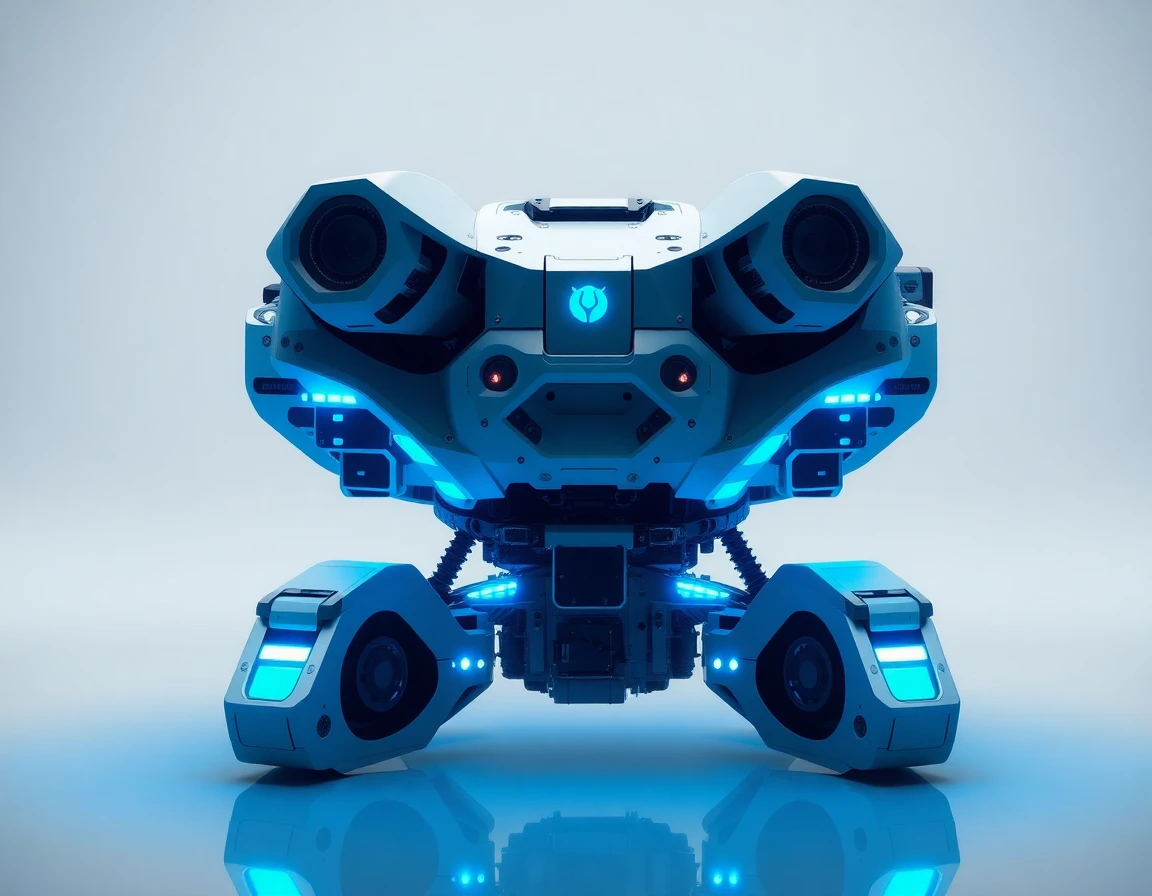
The aerospace and defense sector is witnessing a remarkable evolution with the integration of autonomous defense systems, powered by cutting-edge artificial intelligence (AI). Recent field testing results indicate significant enhancements in both defensive and surveillance capabilities, setting the stage for a transformative shift in military operations.
Understanding Autonomous Defense Systems
Autonomous defense systems leverage AI to perform tasks that traditionally required human intervention. These systems can analyze vast amounts of data, make decisions in real-time, and execute complex maneuvers with high precision. The latest tests confirm their effectiveness in environments where quick decision-making is crucial, such as in combat scenarios or surveillance missions.
Key Features and Technologies
The efficacy of autonomous defense systems hinges on several advanced technologies:
- Precision Accelerometers: These devices are vital for ensuring that the systems can measure motion accurately, which is crucial for navigation and orientation in dynamic environments.
- Inertial Navigation Systems: These systems provide precise guidance, crucial for autonomous vehicles and drones operating in contested environments.
- Gyroscopic Instruments: Essential for maintaining stability and control, these instruments ensure that autonomous systems can navigate effectively, even in adverse conditions.
For instance, the Compact Guidance Control Unit, featuring tri-axis quartz MEMS gyroscope technology, exemplifies the kind of hardware that supports the precise operation of these autonomous systems. This device’s compact design and robust reliability make it ideal for applications in autopilots and stabilized platforms, which are critical in defense scenarios.
Recent Field Testing Results
The latest round of field tests for AI-driven autonomous defense systems has yielded promising results. Conducted by leading defense contractors, these tests evaluated the systems’ performance in various real-world scenarios, including urban warfare and maritime operations.
One of the standout findings was the ability of these systems to operate collaboratively. For example, drones equipped with AI can now work in tandem with ground units, sharing data in real-time to enhance situational awareness and operational efficiency. As a defense analyst noted, “The synergy between autonomous air and ground systems can dramatically change the landscape of modern warfare.”
Implications for Military Strategy
The advancements in autonomous defense systems are poised to reshape military strategies globally. With the ability to deploy drones and robots in high-risk environments, human personnel can be safeguarded while maintaining operational effectiveness. Moreover, the agility provided by these systems allows for rapid response to evolving threats, a critical factor in today’s fast-paced conflict scenarios.
Furthermore, these systems utilize advanced radar systems to detect threats at greater distances and with improved accuracy, enhancing the overall security framework of military operations. The combination of radar capabilities with AI-driven decision-making processes leads to a more proactive defense posture.
Future Developments and Challenges
While the progress is commendable, several challenges remain for the widespread adoption of autonomous defense systems. Ethical considerations regarding the use of AI in warfare, regulatory frameworks, and the potential for adversarial manipulation of these technologies are paramount issues that need to be addressed.
Experts suggest that ongoing dialogue among military leaders, technologists, and policymakers is essential to navigate these complexities. “As we move deeper into the era of AI in defense, we must ensure that we have robust ethical guidelines in place to govern their use,” remarked a leading defense ethicist.
Conclusion
The integration of autonomous defense systems marks a pivotal moment in the aerospace and defense industries. As field testing continues to validate their capabilities, the focus will shift to refining these technologies and addressing the challenges they present. The future of warfare is being shaped by these innovations, promising a new era of enhanced operational capabilities and strategic advantages.
As the military landscape evolves, keeping abreast of developments in autonomous defense systems will be crucial for stakeholders across the industry. The intersection of AI, advanced sensors, and autonomous platforms will undoubtedly define the next generation of defense technologies.
References
-
autonomous defense systems Research - defensenews.com (defensenews.com)
-
autonomous defense systems Research - aviationweek.com (aviationweek.com)
-
autonomous defense systems Research - spacenews.com (spacenews.com)